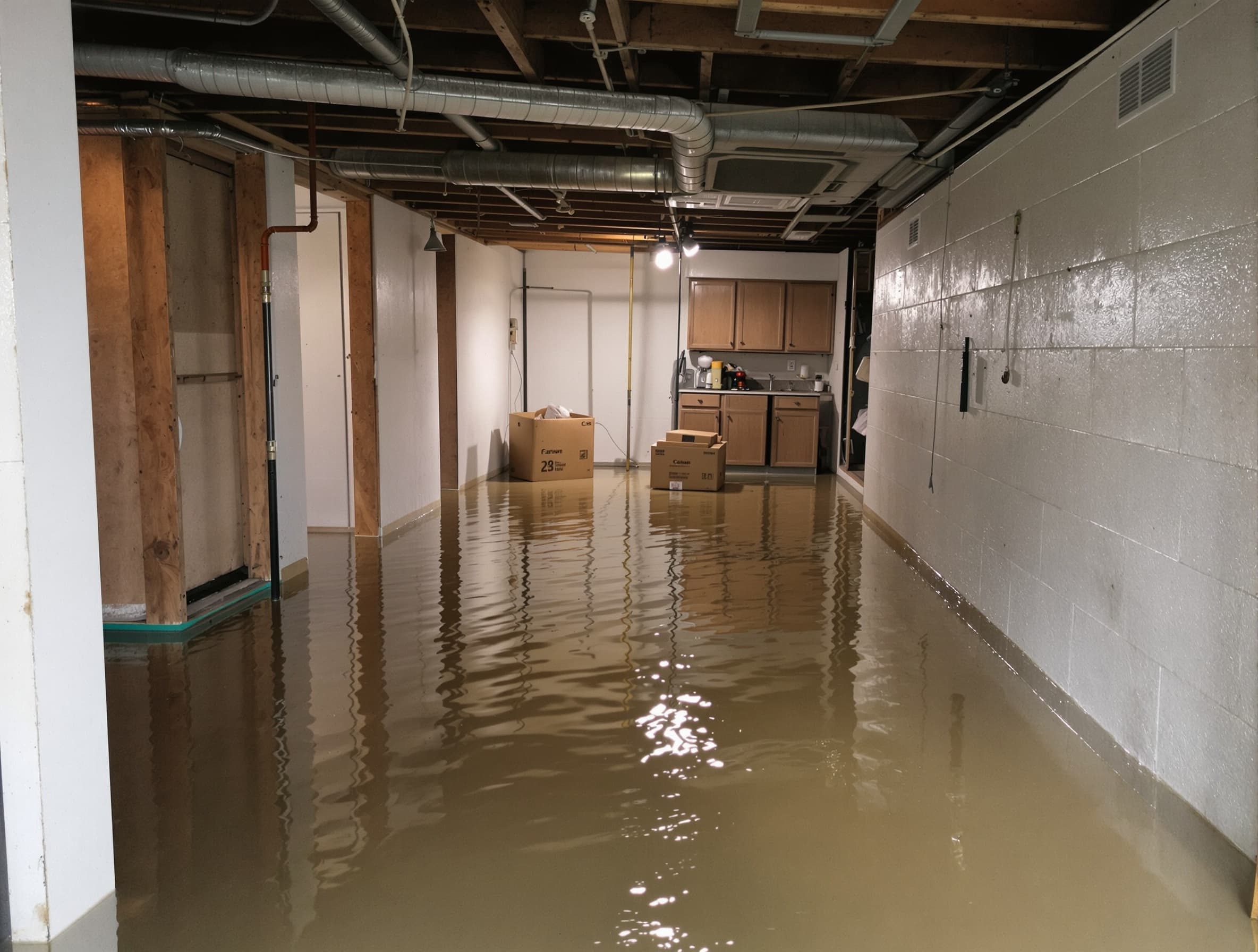
When Superstorm Sandy hit Long Island in October 2012, roughly 100,000 homes in Nassau and Suffolk took on water. Most were documented, remediated, and rebuilt. But 14 years later, we still get three to five calls a month from homeowners in Massapequa, Babylon, Long Beach, and Bay Shore dealing with mold that traces back — directly — to Sandy.
Why the problem persists
Three patterns explain most Sandy-legacy cases we see today:
1. Incomplete original remediation
The 2012–2013 period saw unprecedented remediation demand. Many homeowners used out-of-state crews, under-resourced local operators, or cut corners to finish before winter. Containment was sometimes skipped, HEPA filtration was inconsistent, and structural drying was abbreviated. The mold was visually removed but not eliminated at depth — and without Category 3 water protocol adherence, spores embedded in wall cavities and subfloor.
2. Rebuild over residual moisture
On many rebuilds, finished surfaces went back up before materials were fully dry. Closed-cell spray foam especially traps moisture. We've opened walls 10 years later and found Stachybotrys colonies that never had a chance to dry because the rebuild timeline was too tight.
3. Continued water intrusion
Basement sump systems, exterior drain tiles, and foundation waterproofing weren't always upgraded during rebuild. Subsequent storms (nor'easters, Hurricane Ida in 2021, multiple smaller flood events) caused repeat intrusion that hit already-compromised materials.
Signs your home may have Sandy-legacy mold
- Persistent musty smell in basement or lowest level, especially in summer
- Efflorescence (white mineral deposits) on concrete walls
- Rust or pitting on metal items stored in basement
- Paint or wallpaper bubbling, bulging, or peeling (especially lower 3 feet of walls)
- Asthma or allergy symptoms that worsen at home, improve away
- Past history of 2012–2013 flood and remediation in your home
Assessment approach for suspected Sandy-legacy homes
We treat Sandy-legacy jobs differently. Standard scope on first visit:
- Moisture mapping of all below-grade surfaces and the first 36 inches of interior walls
- Thermal imaging across the full basement perimeter
- Air sampling in basement + first floor + outdoor baseline (required for comparison)
- Review of any surviving 2013 remediation documentation — scope, PRV results, insurance paperwork
- Exterior drainage assessment (grading, downspouts, sump discharge path)
Insurance considerations
Sandy-legacy mold is rarely covered by current homeowners policies — the water event is more than 13 years old and the mold has accrued as a maintenance issue. Exception: if your rebuild work came with a warranty or if the original remediator is still in business and their work failed, you may have recourse through them. Document everything before engaging anyone to fix it.
New nor'easter flood events that hit already-compromised materials can be covered under current NFIP or HO-3 flood riders — we've had success writing cause-of-loss narratives that focus on the most recent triggering event rather than the 2012 origin.
The fix
Most Sandy-legacy remediation involves: full demo of affected finishes, HEPA filtration and antimicrobial treatment of framing, closed-cell foam rebuild where appropriate, interior drain tile or waterproofing upgrade, dedicated dehumidification, and PRV clearance before re-finishing. Budget $4,000–$10,000 for typical finished-basement scope; more for homes where the subfloor is involved. Once clearance passes and the space stays dry, read how to finish a basement the right way before the walls go back up.
If you're in a Sandy-affected South Shore community and dealing with recurring basement mold, our mold remediation service covers the full Long Island remediation process — assessment, containment, HEPA demo, antimicrobial treatment, and post-remediation clearance testing. For flooded basements specifically, see our basement mold removal service for what the protocol looks like.
Need help with your specific situation?
We do free on-site assessments across Long Island.
NYLMB-licensed, IICRC-certified, insurance-experienced. Call (631) 625-8807 or request an estimate online.