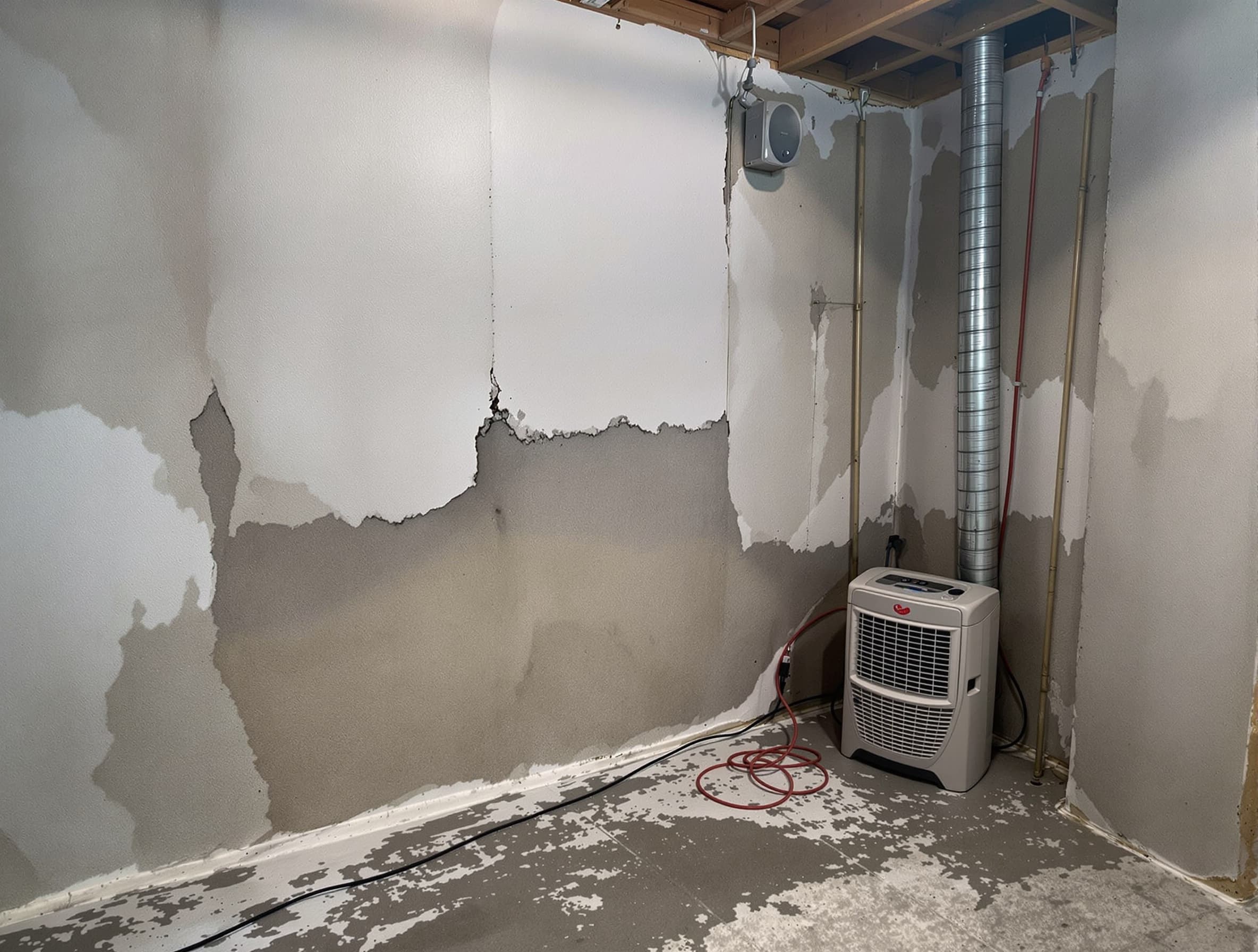
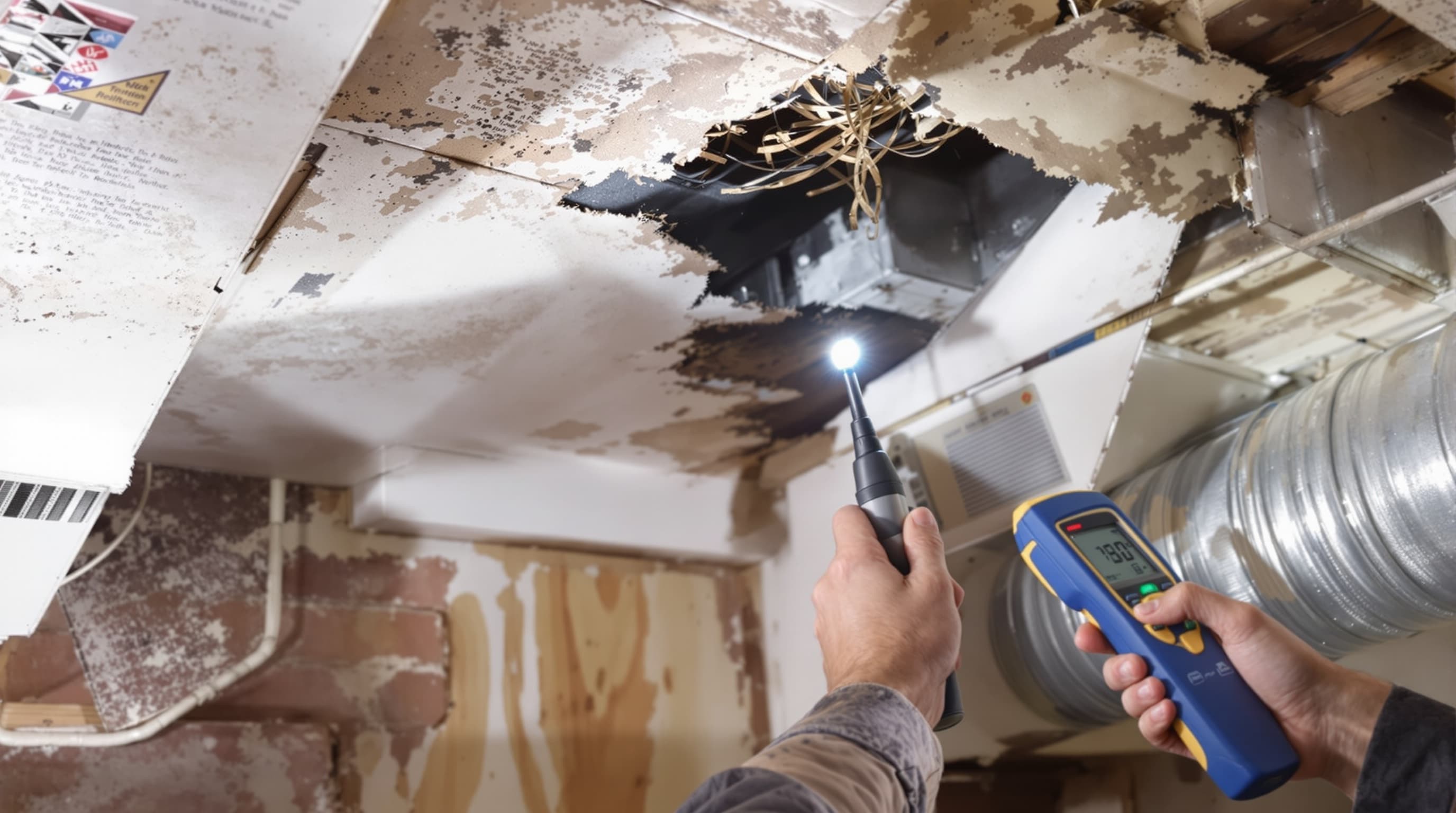
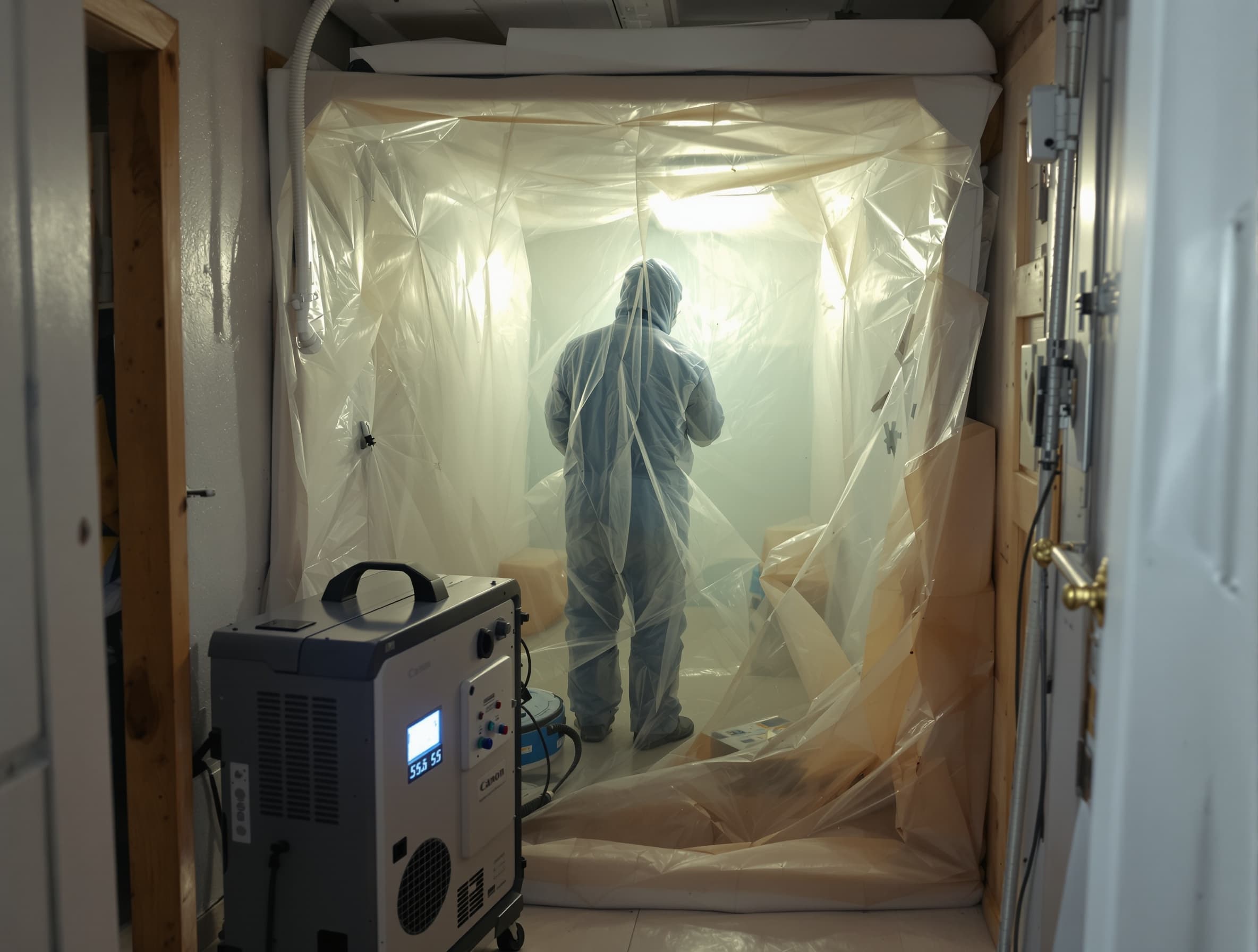
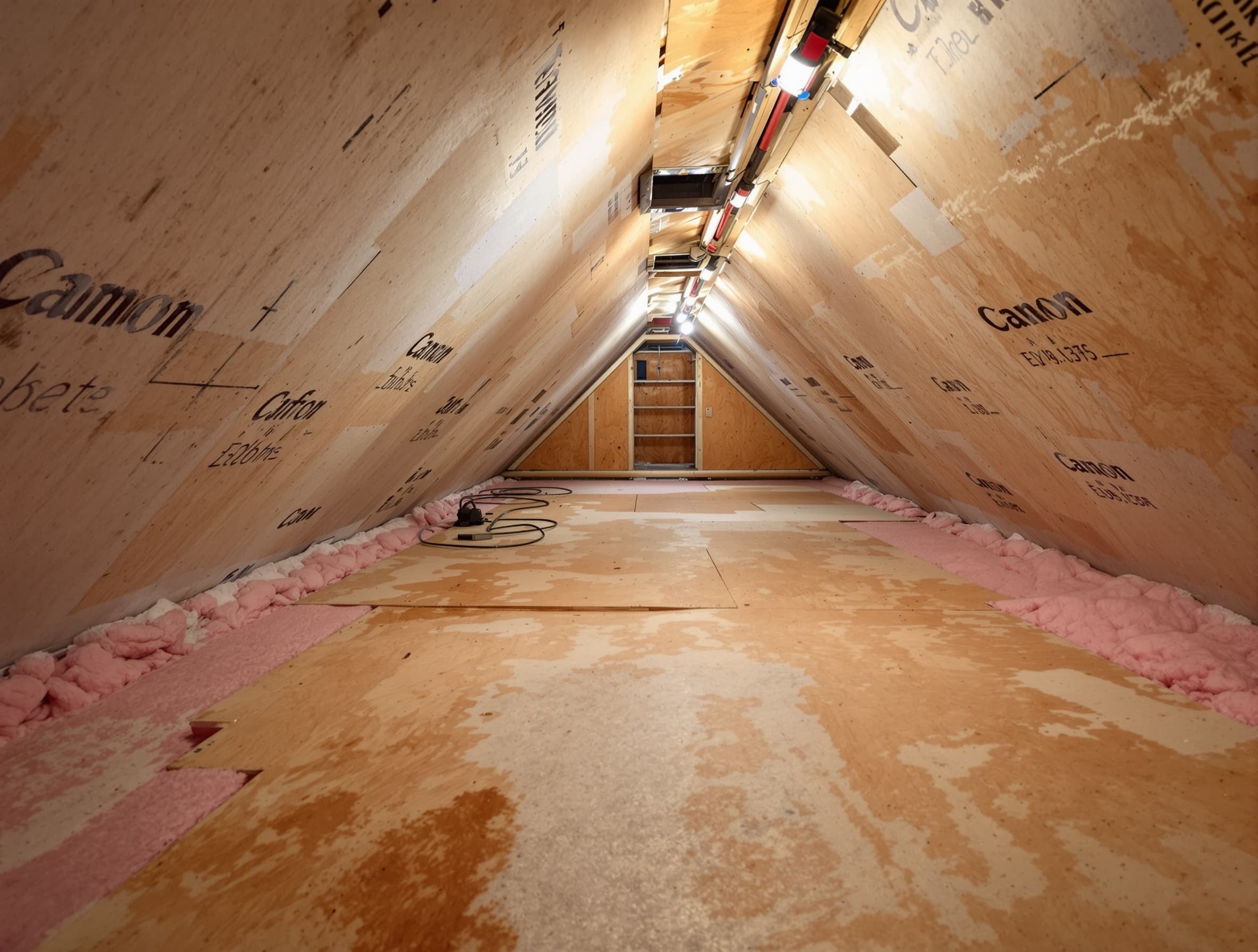
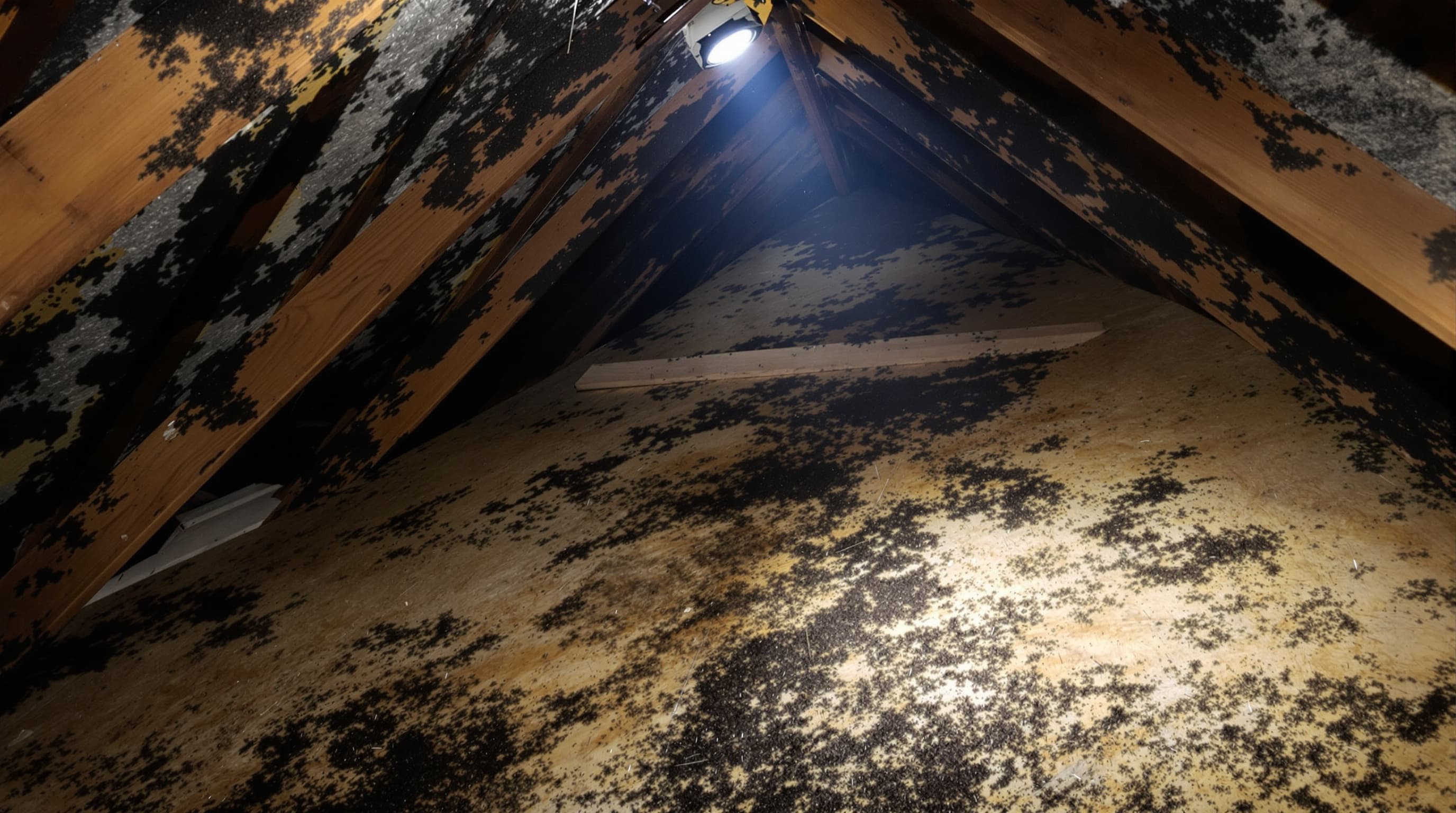
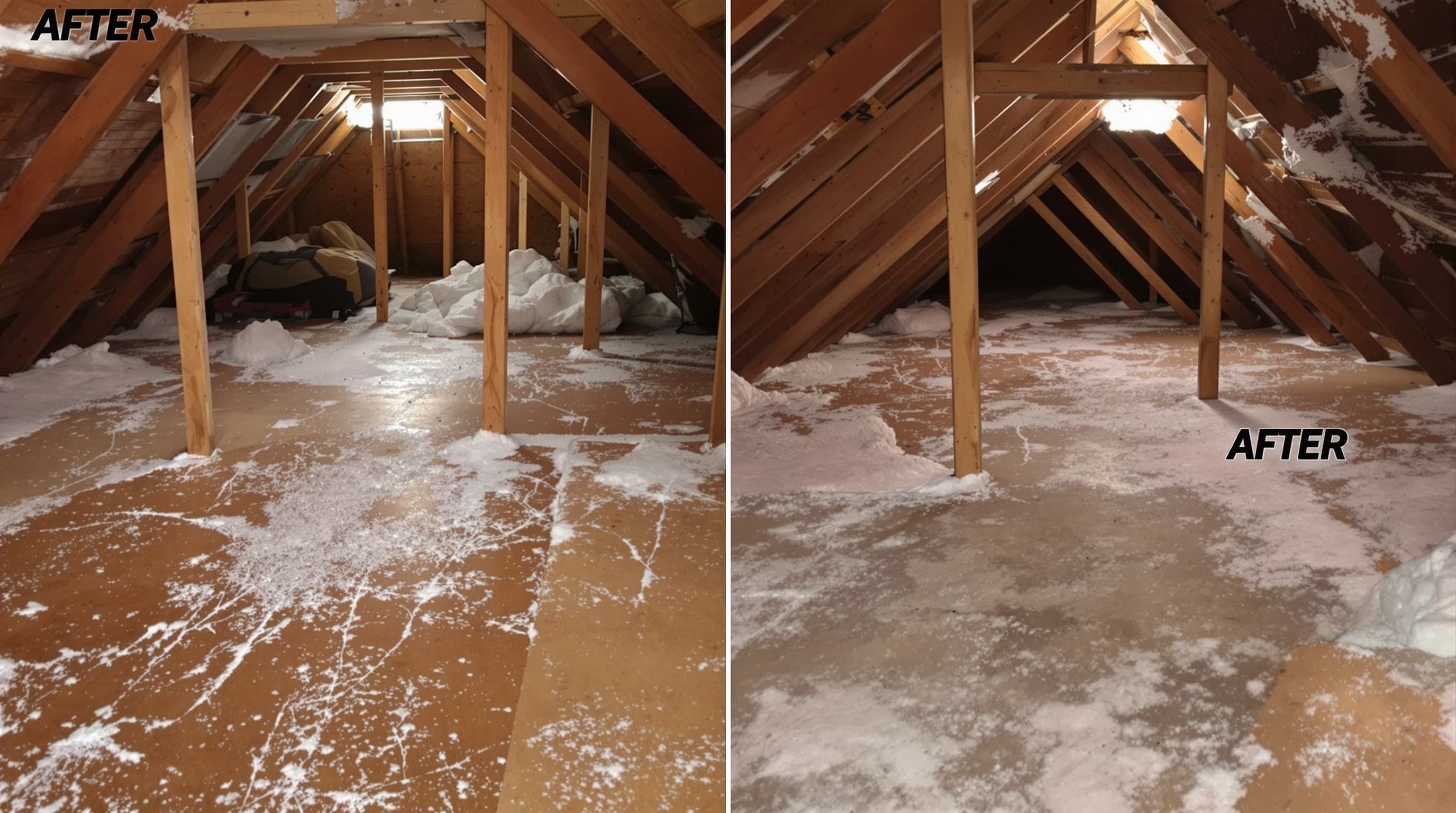
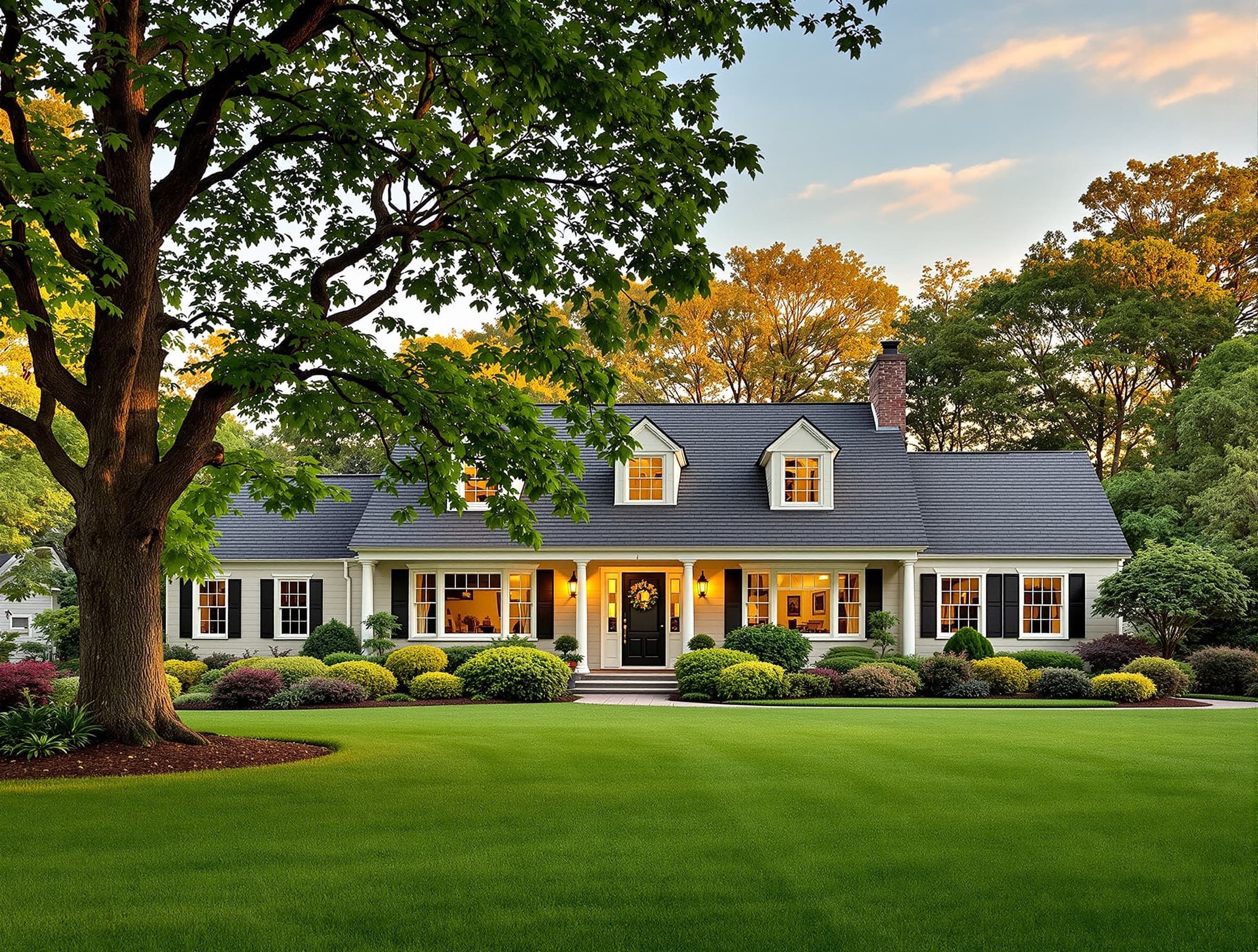
Attic Mold RemediationCape Cod attic — 600 sqft of Stachybotrys on plywood sheathing traced to blocked bath-fan venting. Full containment, HEPA filtration, antimicrobial treatment, ridge vent retrofit, PRV clearance passed.
We don't just clean mold. We find where it's coming from.NYLMB-licensed assessment, IICRC-certified remediation, AIHA lab testing. From Massapequa basements to Smithtown attics — Nassau and Suffolk homeowners’ first call since 2012.
Free Inspection Request
1 business hour response. No obligation. Insurance-friendly.
Why LI Mold Co.
Mold doesn’t appear because your house is dirty. It appears because something is wet that shouldn’t be. Find the moisture, fix the moisture, remove the mold — in that order — or it comes back in six months. That’s the Long Island Mold Co. difference.
Separate assessment arm and remediation arm. Your inspector never benefits from finding more mold to remove. Required by NY law since 2015 — many competitors still ignore it.
Air and surface samples go to a third-party AIHA-accredited lab. You get the lab report directly, with species names, spore counts, and outdoor-indoor comparison.
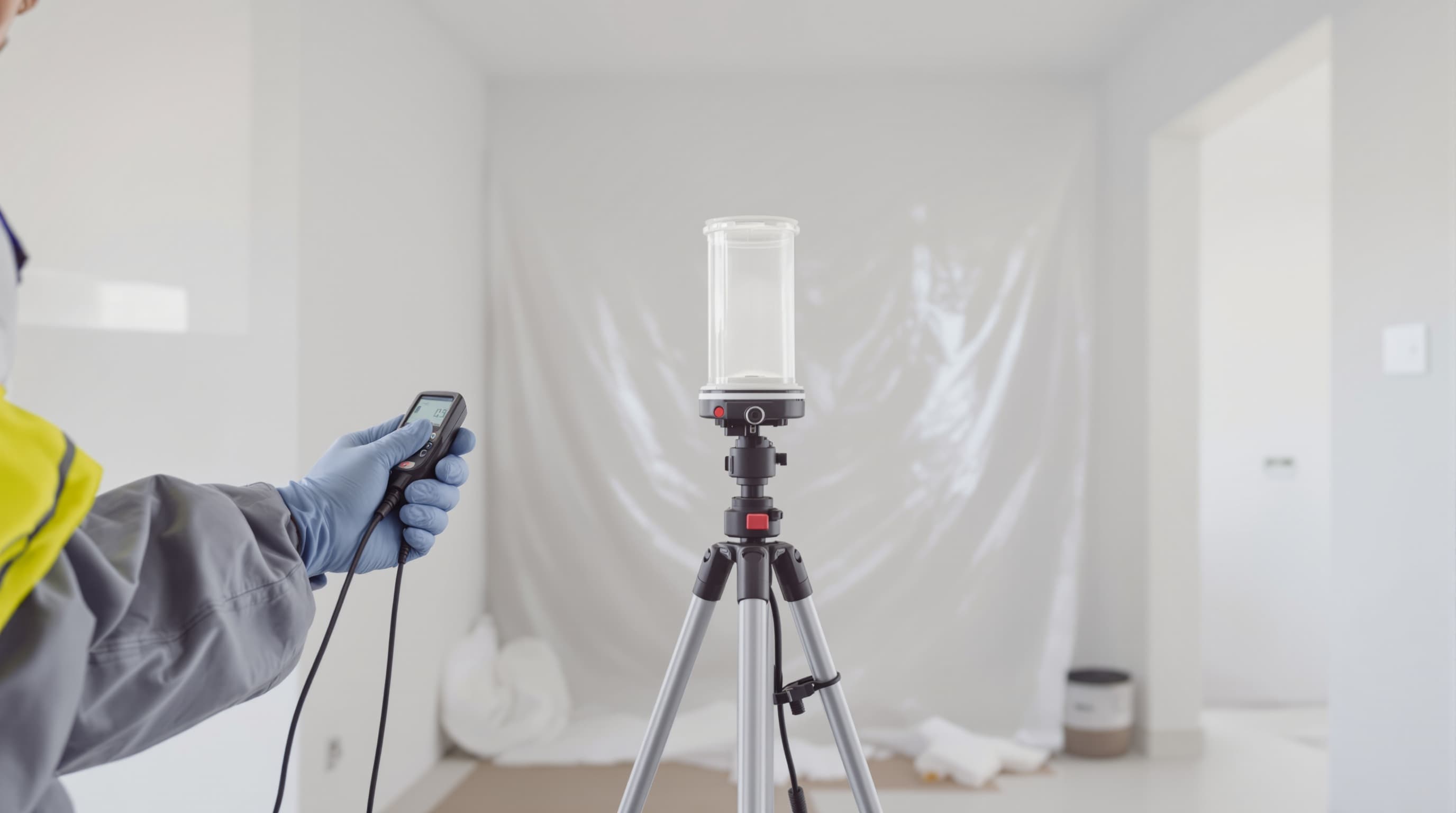
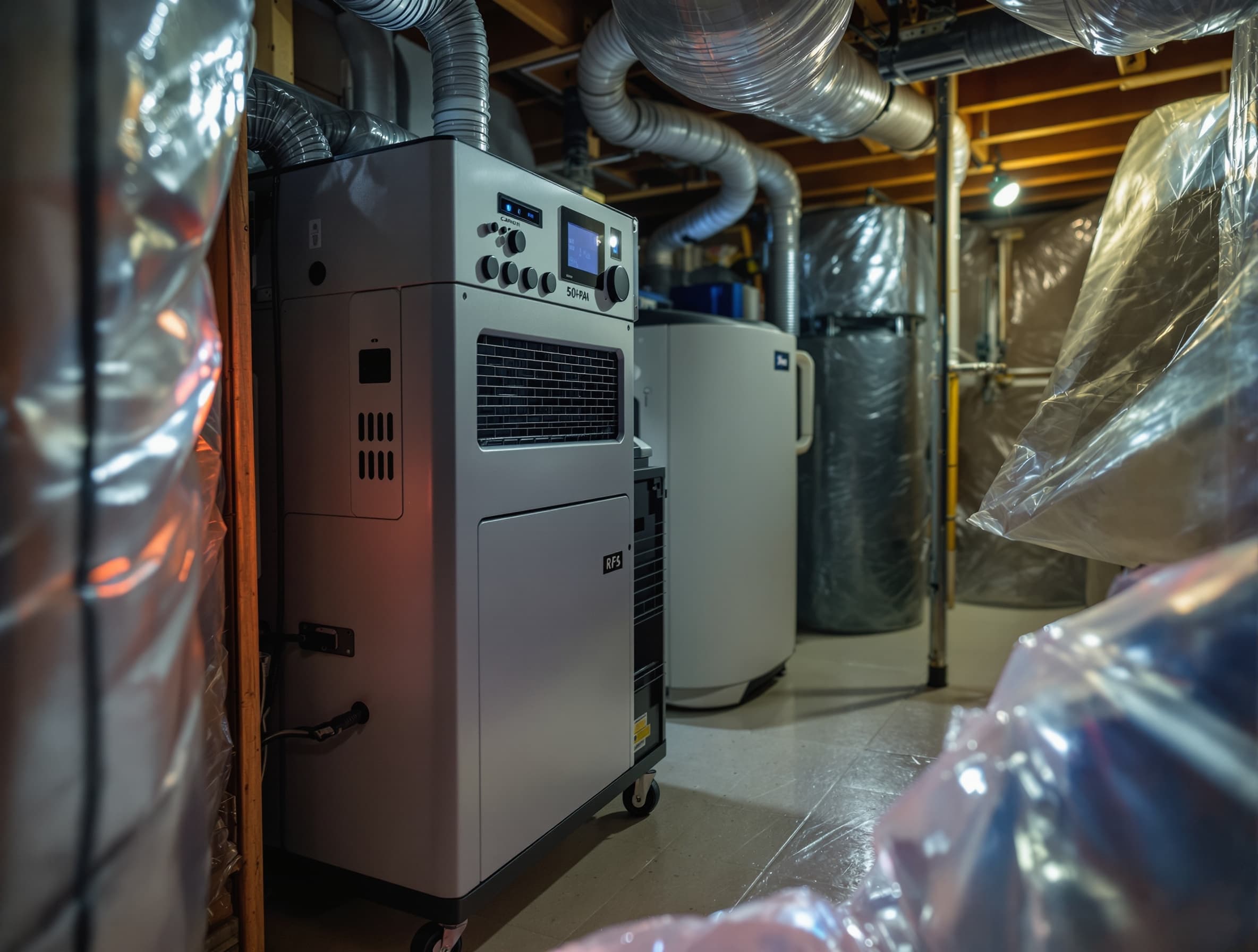
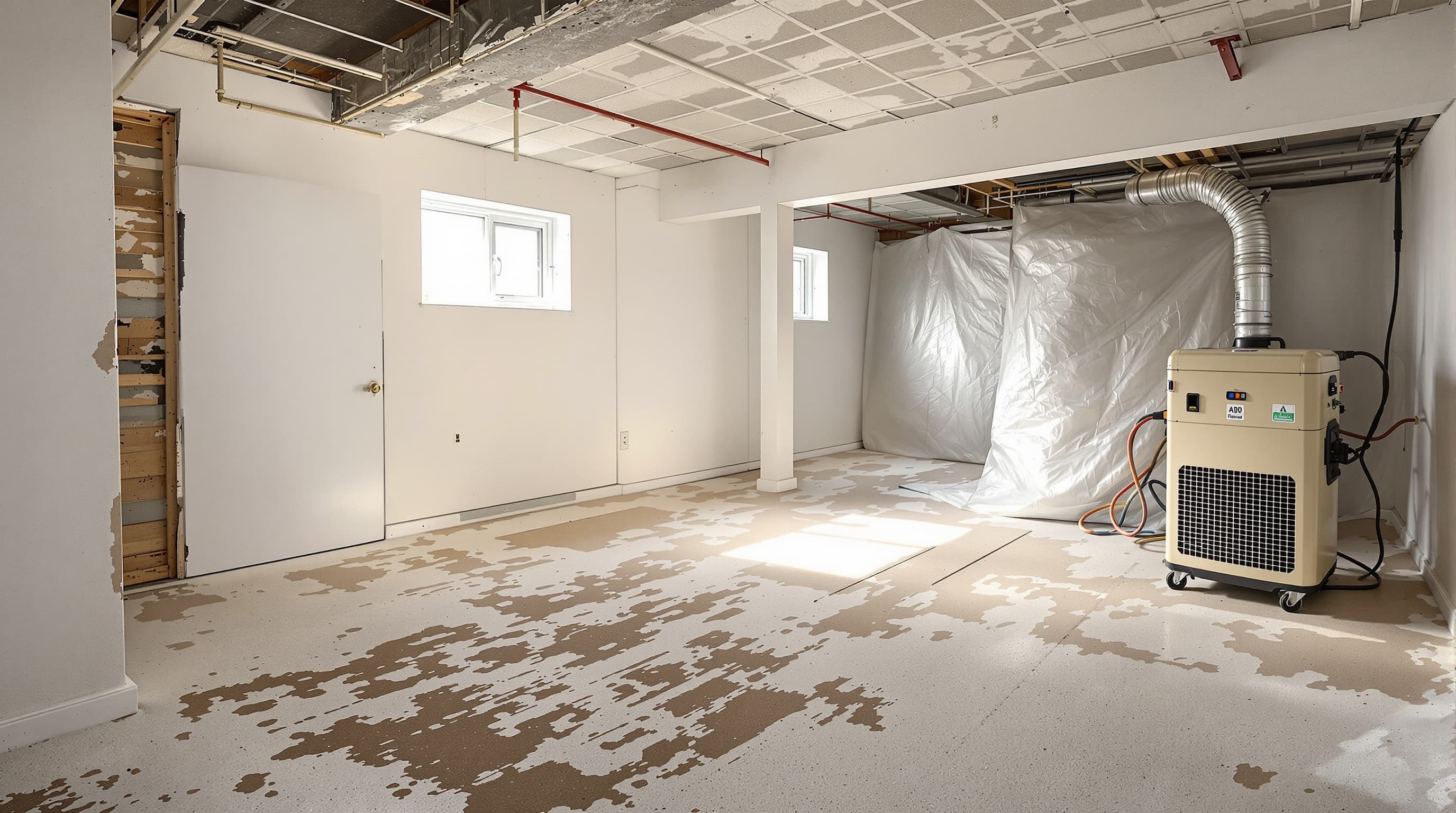
Negative-air containment with commercial AFDs on every job over 30 sqft. We don't just clean — we stop cross-contamination cold.
We don't just kill the mold. We fix the blocked bath fan, the roof vent, the vapor barrier — whatever caused it. A clean house that stays clean.
400+ Stachybotrys jobs since Sandy. We know how to contain it, treat it, and verify clearance on black mold that sends the guys in Tyvek running.
Every report written the way adjusters need them. Photos, moisture readings, S520 scope references, cause-of-loss narrative. Angela runs this step every time.
Services
Residential, commercial, emergency, inspection, testing, post-remediation verification. Nassau, Suffolk, and parts of eastern Queens.
Remediation

Full IICRC S520 remediation — containment, HEPA filtration, removal, and clearance. Our core service. Long Island's housing stock — 1950s–70s construction with limited vapor barriers, poor attic ventilation, and South Shore flood exposure — creates persistent mold conditions that require professional remediation, not surface cleaning. We follow Category 3 containment protocol on every job: negative-air machines with HEPA filtration, zipper-door decontamination chambers, full PPE, and independent post-remediation verification (PRV) clearance before we close out. South Shore towns like Freeport, Merrick, and Valley Stream carry elevated mold risk from storm surge flooding. Nassau County Health Dept guidelines for mold remediation in occupied buildings require written scope, proper containment, and clearance testing on jobs over 10 sqft — we document every step for insurance and compliance purposes. Most residential remediation projects in Nassau and Suffolk run $2,000–$8,000. Post-flood jobs in South Shore towns can run $3,000–$12,000 depending on scope.
EmergencyEmergency Stachybotrys removal with negative-air containment, respirator-grade crew, and PRV clearance testing.

The #1 mold problem in Long Island homes — sheathing mold from blocked bath fans and under-vented roofs. We treat the wood and fix the ventilation.

From crawl-space dampness to finished-basement flood damage. South Shore specialty — Sandy legacy and nor'easter water events.

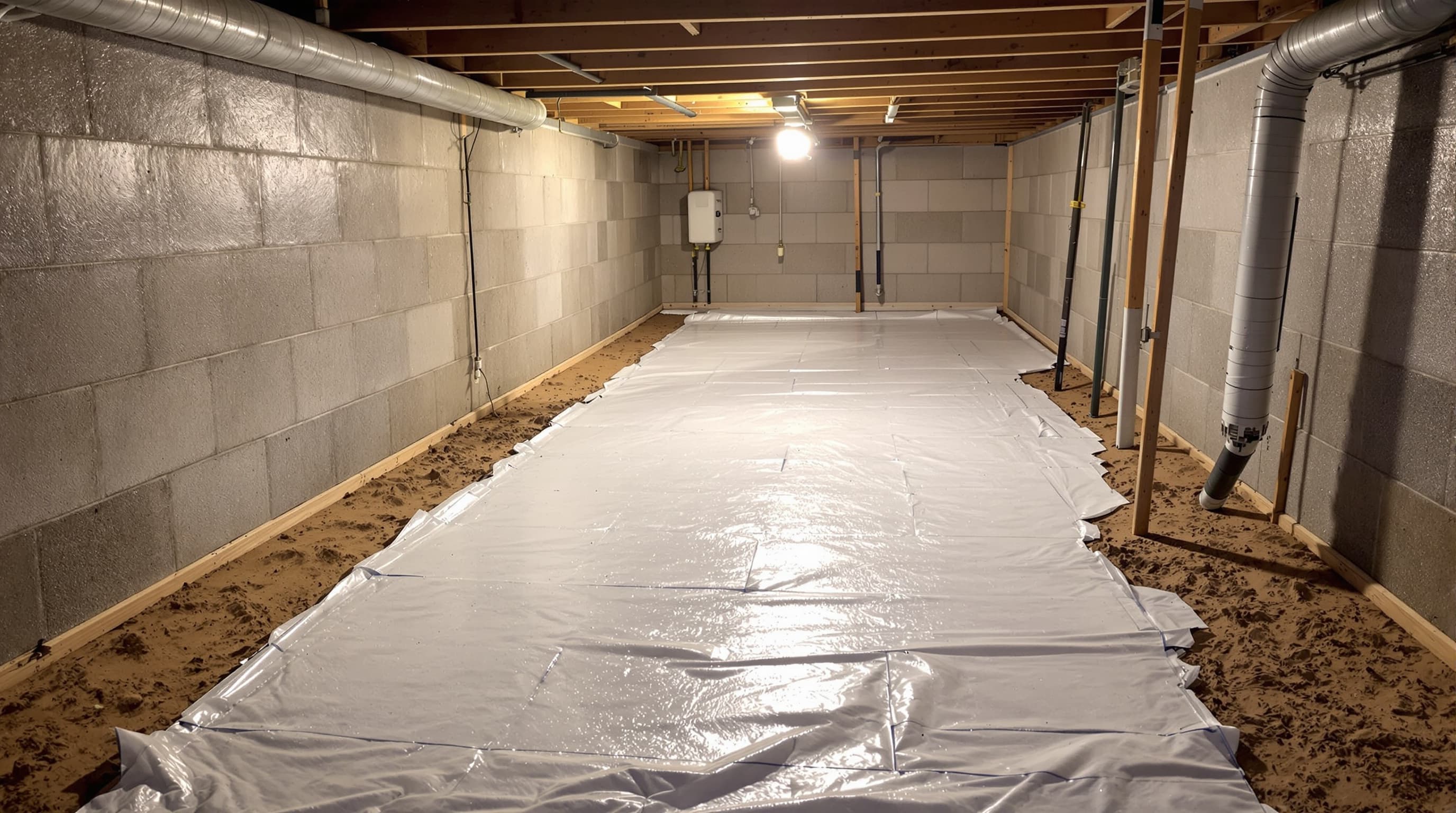
Vapor barriers, joist treatment, dehumidification — the three-step fix for chronic crawl-space mold in older LI homes.

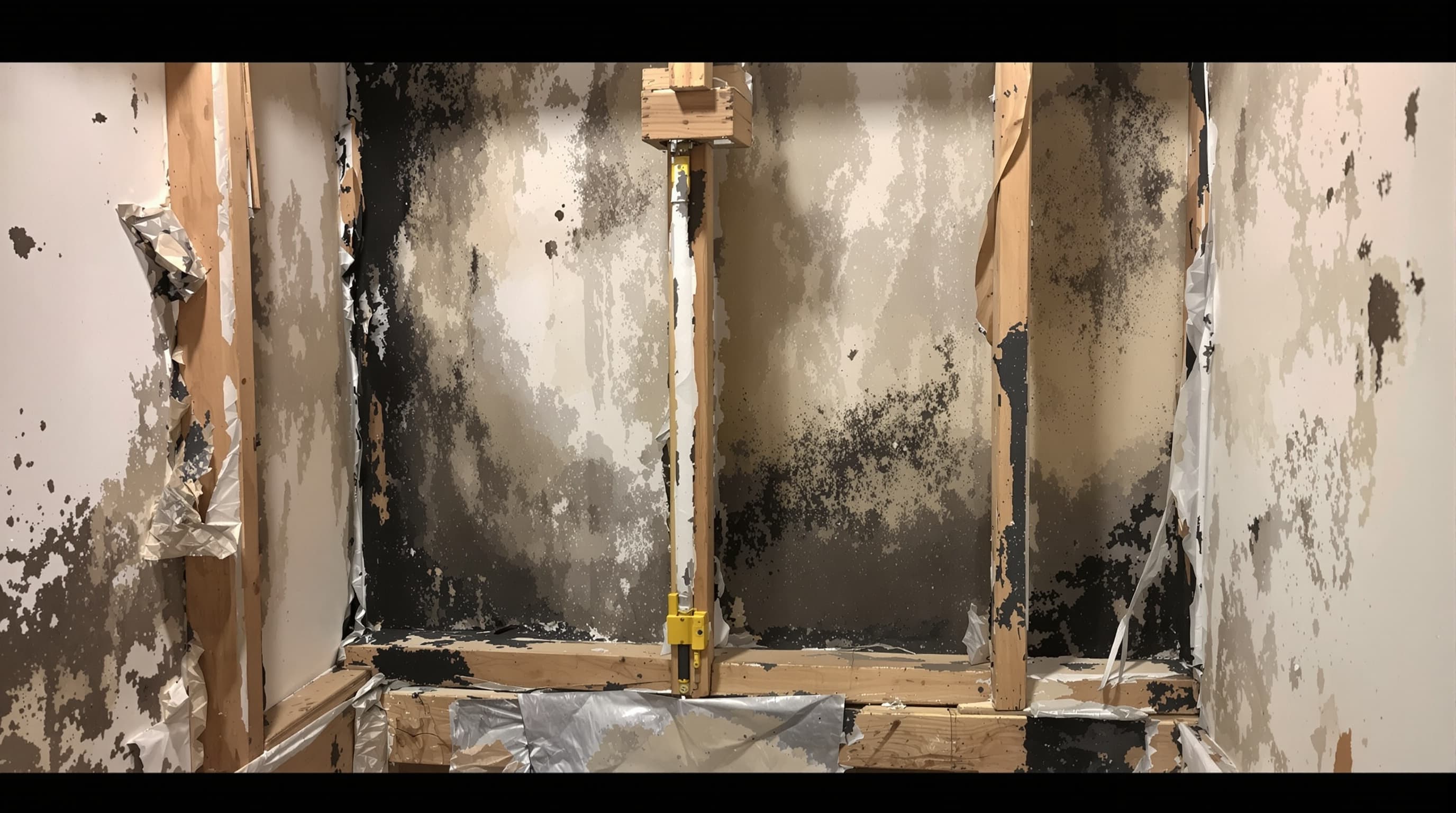
Hidden behind tile, under vanities, and inside wall cavities — most bathroom mold comes from pinhole leaks that have been wet for years.
Inspection & Testing

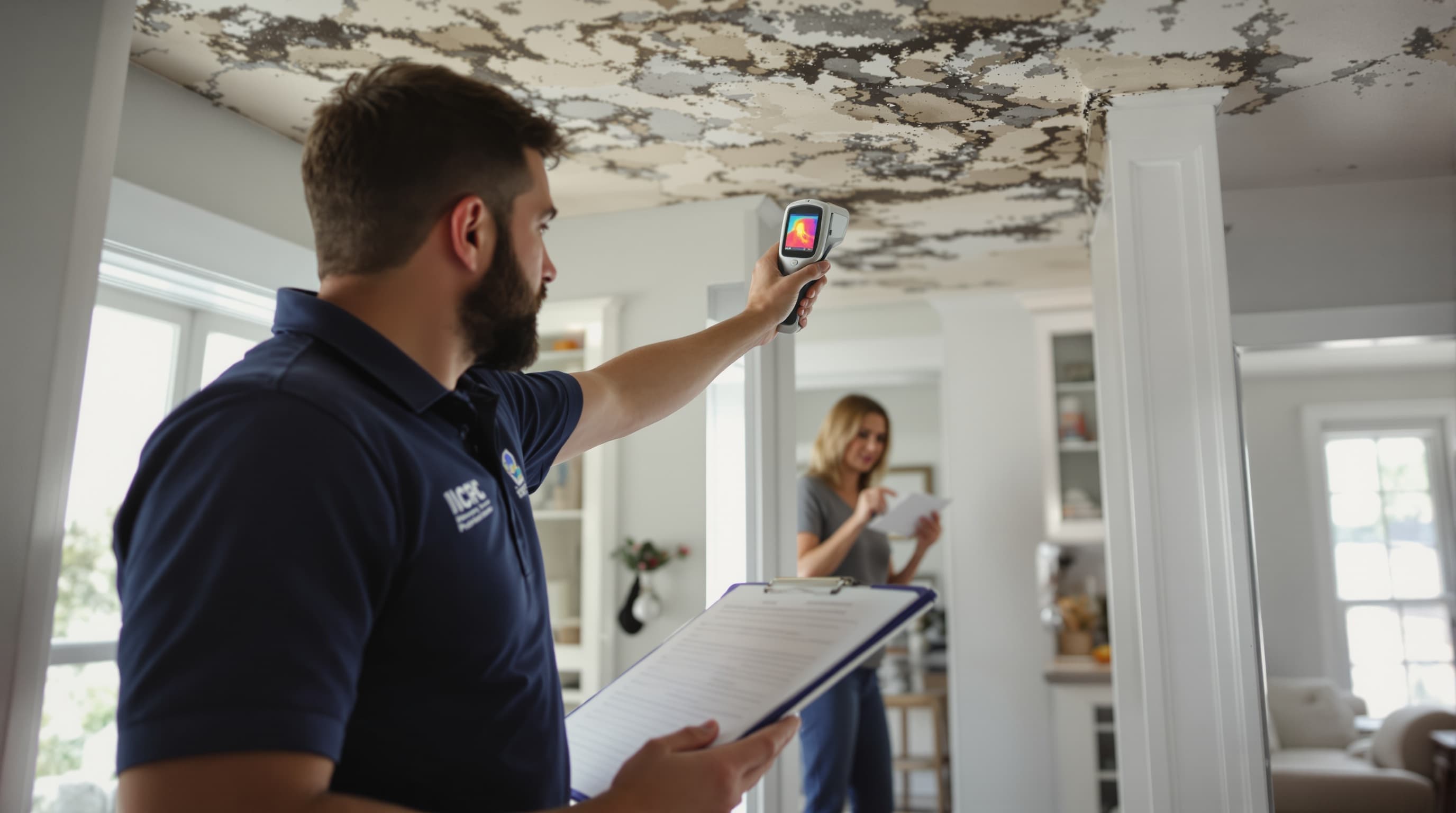
NYLMB-licensed assessment. Thermal imaging, moisture mapping, written report. Required under NY Article 32 before remediation.

AIHA-lab air and surface samples. Species ID, spore counts, indoor-vs-outdoor comparison. Chain-of-custody available for legal use.

Standalone IAQ panel for asthma investigations, tenant-landlord disputes, and post-construction verification.
Our Process
Same method on every job, from a 20-square-foot bathroom to a 2,400-square-foot basement. Predictable scope, predictable cost, predictable clearance.
01NYLMB-licensed assessor visits your home. Moisture mapping, thermal imaging, visual inspection of suspect areas. Written report in 72 hours. Usually free when it leads to remediation.
02Air and surface samples sent to AIHA-accredited lab. Species ID, spore counts, indoor-vs-outdoor comparison. 3–5 business days; 24-hour rush available.
03Separate remediation crew (per NY Article 32). Negative-air containment, HEPA filtration, antimicrobial treatment, materials removal, structural drying.
04Independent clearance testing. Visual inspection + air samples retested against pre-remediation baseline. Only then do we release the space for rebuild.
Field Work


Live Field Log
Real jobs. Real towns. Actual scope and scale from our last 90 days of field work.
Attic Mold RemediationCape Cod attic — 600 sqft of Stachybotrys on plywood sheathing traced to blocked bath-fan venting. Full containment, HEPA filtration, antimicrobial treatment, ridge vent retrofit, PRV clearance passed.
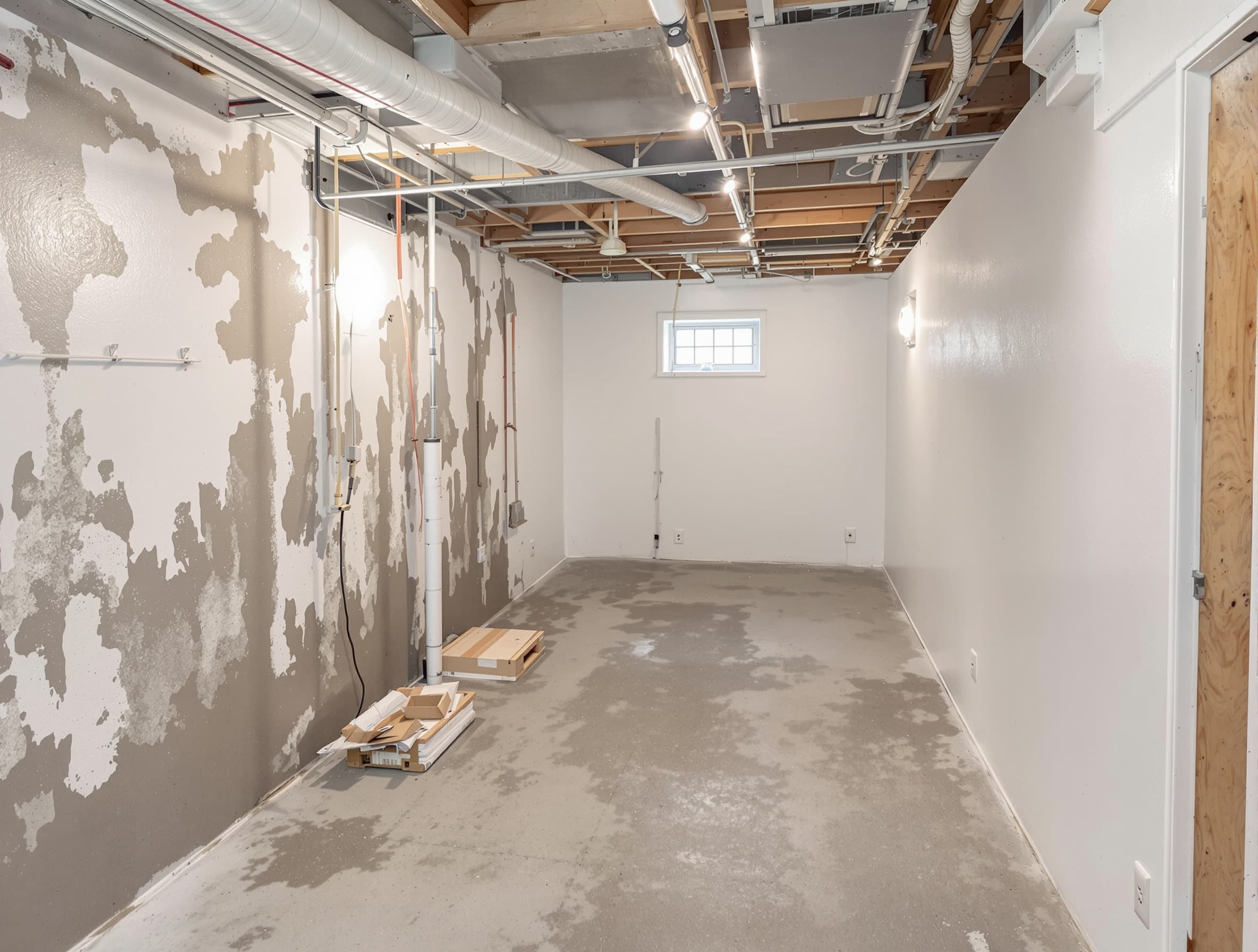
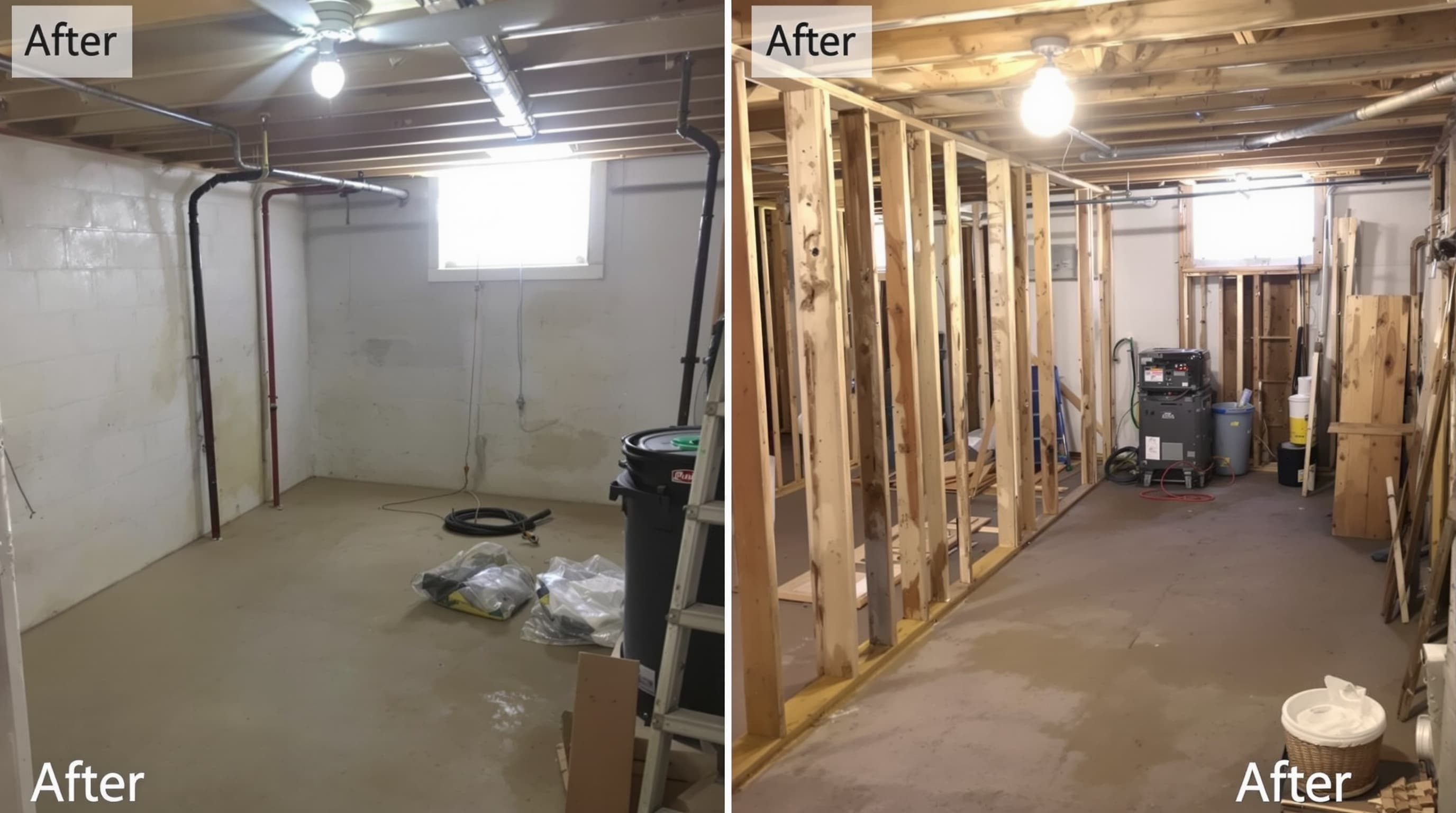
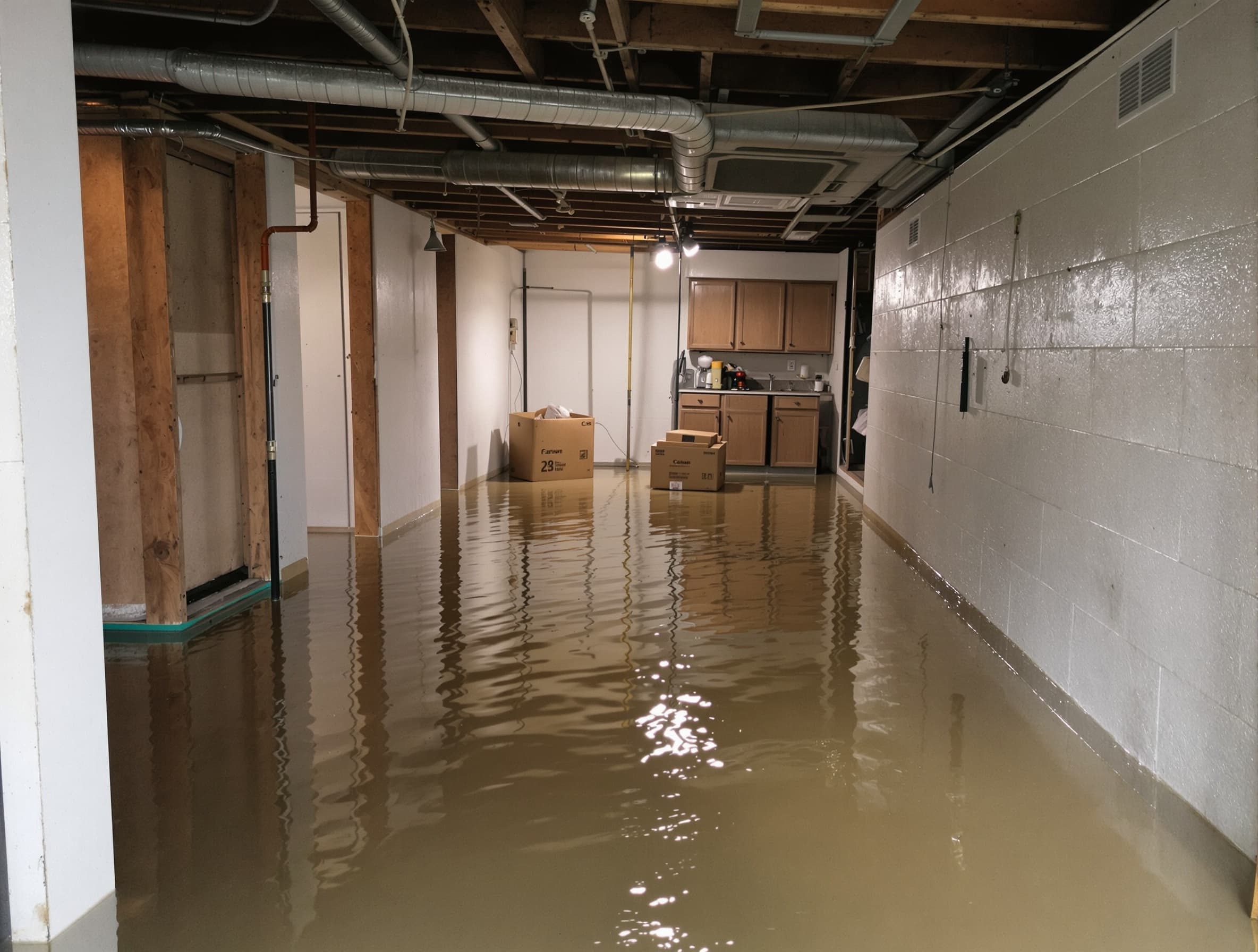
Basement Mold RemediationFinished basement post-nor'easter flood — 3 ft water line. Aspergillus/Penicillium throughout. Demo to studs, HEPA sand, encapsulation, new vapor barrier. Insurance-paid.
Mold InspectionPre-listing thermal imaging + air sampling on 1940 Tudor. Found hidden moisture behind kitchen soffit. Cleared for closing after targeted remediation by separate crew (per NY Article 32).
Black Mold RemovalBathroom wall cavity — visible Stachybotrys behind tile from decade-old pinhole leak. Surgical demo, negative-air containment, copper vapor barrier, clearance passed.
Crawl Space Mold1962 ranch crawl space, 900 sqft. Dirt floor + no vapor barrier = chronic humidity. Installed 10-mil reinforced vapor liner, treated joists, added dedicated dehu.
Mold TestingIndoor air quality panel — child with asthma. Lab results: elevated Pen/Asp in child's bedroom. Traced to hidden wall leak. Referred to plumber, retested clean.
Bathroom Mold RemovalMaster bath — mold behind vanity and under tub. Removed, treated framing, installed closed-cell foam, new cement board. Homeowner insurance covered 80%.
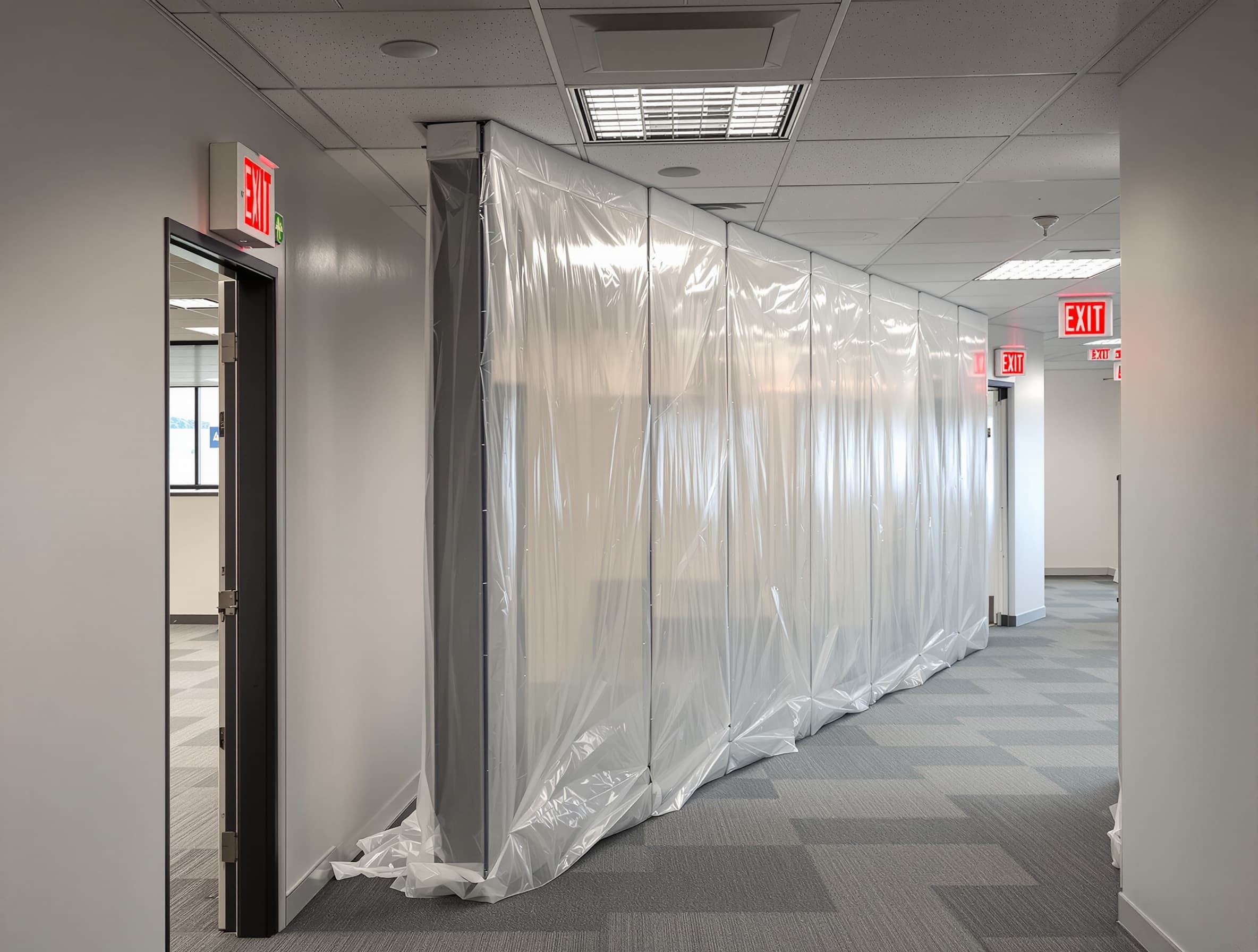
Commercial Mold RemediationOffice suite HVAC-driven mold in ceiling plenum after rooftop unit leak. After-hours containment, HEPA scrub, ceiling tile replacement, tenant back in business Monday.
Flood Mold RemediationSouth Shore home, January nor'easter flood. Full-basement Category 3 water. Demo, HEPA, structural drying, PRV before rebuild.
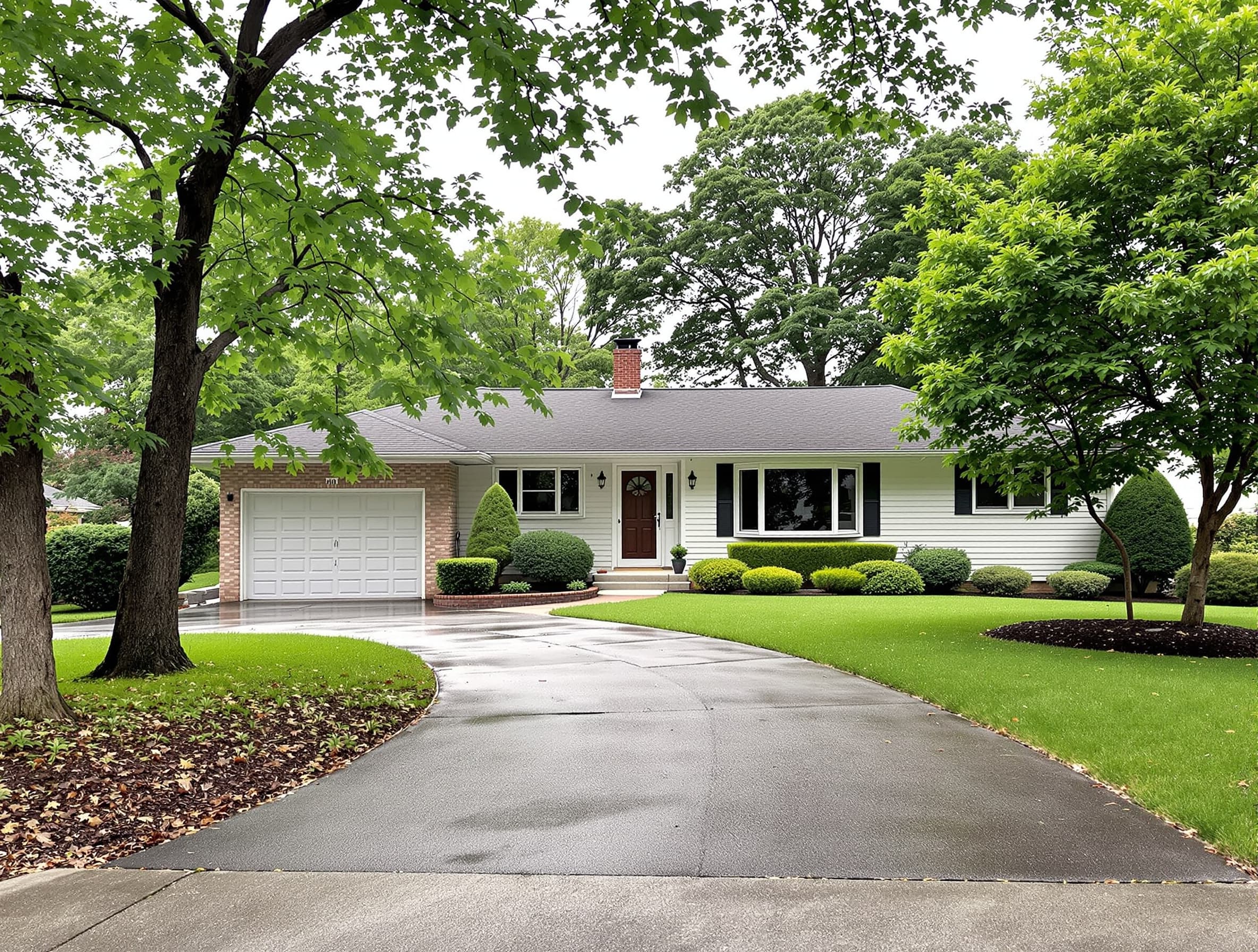
Attic Mold RemediationColonial attic — white surface mold + dark spots on north-slope sheathing. Poor soffit ventilation. Treated wood, installed baffles, added roof vents.
Mold InspectionBuyer's pre-purchase inspection. Air sample + 3 surface swabs. Split-level, finished basement. No actionable mold — report used to negotiate price.
Basement Mold RemediationLegacy Sandy flood damage behind finished wall. Demo to block, treated masonry, new interior drain tile, dehumidifier, encapsulation.
Areas We Serve
Same-day dispatch to every Nassau town, 24-hour to most of Suffolk. East End (Hamptons, North Fork) by arrangement.
Nassau County NY
Nassau County homeowners dealing with a mold mildew remover nassau county ny search are usually past the box-store spray stage. Nassau's housing stock — dense rows of 1950s and 1960s Cape Cods, split-levels, and colonials — creates conditions that require professional mold removal nassau county rather than surface treatments. Clay-heavy soil in Nassau retains moisture against foundations long after rainstorms. Older homes built before modern vapor barriers allow humidity to migrate freely into finished basements, attic sheathing, and wall cavities. The result is persistent, recurrent mold that grows back weeks after a homeowner sprays it down.
Mold remediation nassau county nydone properly starts with identifying the moisture source — a failed bath fan duct, a blocked attic soffit vent, a deteriorating vapor barrier, or sub-slab moisture wicking through a 1950s concrete floor. We fix the source, then contain and remediate the mold per IICRC S520 protocol with negative-air containment, HEPA filtration, and an independent post-remediation clearance test. Nassau County is our highest-volume county — we've worked every ZIP from Great Neck on the North Shore to Massapequa on the South Shore.
Nassau County's South Shore communities — Freeport, Merrick, Seaford, Valley Stream — carry elevated mold risk from Hurricane Sandy legacy moisture and recurring nor'easter flooding. The Great South Bay's salt air humidity accelerates mold growth in coastal structures. Long Island Sound proximity on the North Shore in Great Neck, Port Washington, and Manhasset creates similar but ventilation-driven mold patterns, especially in attics with blocked soffits. FEMA flood zone designations cover large portions of South Shore Nassau — we document all remediation work with the insurance-ready reporting format required for flood-related mold claims.
Mold remediation costs in Nassau County typically run $500–$4,500 for a contained residential job — bathroom, under-sink, or small wall cavity. Basement and attic mold affecting larger surface areas runs $2,000–$8,000. Post-flood Category 3 remediation on South Shore Nassau properties has historically run $3,000–$12,000 depending on affected square footage and material type. We give fixed quotes after inspection — no hourly rates, no open-ended scopes.
Suffolk County NY
Black mold removal in Suffolk County requires understanding the county’s specific moisture conditions — shallow water tables on the South Shore, Sandy-legacy flood zones in Babylon and Islip towns, and 1950s–1970s housing stock with no vapor barriers. Every job over 10 square feet requires a NY Article 32–licensed assessor’s written scope before remediation begins. Our NYLMB-licensed assessment arm and separate remediation crew handle both sides across all of Suffolk — from Huntington and Smithtown on the North Shore to Bay Shore, West Islip, and Patchogue on the South Shore.
Black Mold Nassau County NY
Black mold — Stachybotrys chartarum — is not just a cosmetic problem. It produces mycotoxins linked to chronic respiratory symptoms, headaches, and immune suppression, particularly for children, elderly residents, and anyone with asthma or compromised immunity. Nassau County homeowners dealing with black mold require professional remediation under EPA protocols and NY Article 32 (the state Mold Licensing law), which mandates a licensed Mold Assessor to scope any job over 10 square feet before remediation can begin. Our NYLMB-licensed assessment arm (MA00534) and remediation arm (MR00612) handle every black mold removal in Nassau County with full negative-air containment, N95-minimum PPE, HEPA filtration, and post-remediation verification clearance testing — confirming Stachybotrys is absent from interior air before we release the space.
Suffolk County NY
Suffolk County homeowners searching for mold remediation suffolk county nyface a different set of challenges than Nassau. Suffolk’s larger lots, older septic systems, and proximity to the Long Island Sound and Great South Bay create persistent moisture conditions that feed mold growth in attics, basements, and crawl spaces. Homes in Huntington (11743), Smithtown (11787), and Commack (11725) built in the 1960s often have original bathroom exhaust fans vented into the attic rather than outside — a code-compliant practice in the 1960s that is now the #1 cause of attic mold in Suffolk County.
South Shore Suffolk towns — Bay Shore (11706), Islip (11751), Babylon (11702), and Lindenhurst (11757) — carry elevated mold risk from shallow water tables, Hurricane Sandy legacy moisture, and recurring nor’easter flooding. Patchogue (11772) and Sayville (11782) waterfront properties near the Great South Bay experience salt-air humidity levels that accelerate mold colonization on untreated wood surfaces, especially in unfinished basements and attached garages.
East End communities — Riverhead (11901), Southampton (11968), and the Hamptons — present seasonal mold challenges. Vacation homes closed for winter develop condensation-driven mold when heating is reduced but humidity remains high. We’ve remediated 200+ Suffolk County homes since 2012, with particular depth in Huntington, Commack, Bay Shore, and Brookhaven. Every Suffolk job follows IICRC S520 protocol with independent post-remediation clearance testing.
Mold removal suffolk countycosts typically run $500–$4,500 for contained residential jobs and $2,000–$10,000 for full basement or attic remediation. Post-flood Category 3 jobs on South Shore Suffolk properties have historically run $3,000–$12,000. We give fixed quotes after inspection — no open-ended scopes, no hourly surprises.
Transparent Pricing
Real pricing from real Long Island jobs. Every quote is fixed after inspection — no hourly rates, no open-ended scopes.
| Job Type | Typical Range | Timeframe | Includes |
|---|---|---|---|
| Small Contained (bathroom, closet) | $500 – $1,500 | 1 day | Containment, HEPA, antimicrobial, clearance |
| Wall Cavity / Under-Sink | $1,000 – $3,000 | 1 – 2 days | Demo affected materials, HEPA sand, encapsulate |
| Basement Remediation | $2,000 – $8,000 | 2 – 4 days | Full S520 protocol, negative air, PRV clearance |
| Attic Mold Remediation | $2,500 – $7,000 | 2 – 3 days | Sheathing treatment, ventilation fix, clearance |
| Post-Flood Cat 3 Remediation | $3,000 – $12,000 | 3 – 7 days | Emergency containment, structural drying, full remediation |
| Mold Inspection + Lab Testing | $250 – $500 | Report in 3-5 days | AIHA lab, species ID, spore counts, moisture map |
Prices current as of 2025. Inspection is usually free when it leads to remediation. See full pricing page for details.
Inspection & Testing
A mold inspection on Long Island starts with a licensed NYLMB Mold Assessor walking your home — attic, basement, crawl space, and any visible wet zones — and collecting air and surface samples. Samples go to an AIHA-accredited lab for spore count analysis and species identification. You receive a written report within 3–5 business days that identifies the mold species, the affected area in square feet, and the moisture source driving growth. The report is the foundation for any remediation plan.
In New York, a mold inspection by a licensed assessor is legally required before any professional remediation project exceeding 10 square feet. Long Island Mold Co. is licensed for both mold assessment (inspection/testing) and mold remediation — you don't need two separate companies. Our mold inspectors on Long Island serve all of Nassau and Suffolk County with same-week scheduling. Mold inspection cost is $250–$500 and is waived when it leads directly to remediation work with us. Our NYLMB license is the New York State credential specific to mold assessment — issued by the NYS Department of Labor and required on every project over 10 square feet.
Common mold inspection findings in Nassau and Suffolk County homes: attic mold from inadequate soffit-to-ridge ventilation (extremely common in 1970s–80s homes in Smithtown, Huntington, and Levittown), basement mold from foundation wall seepage after nor'easters, and bathroom mold from exhaust fans venting into the soffit instead of the exterior. Our inspection report maps the moisture source alongside the mold location so remediation addresses the root cause, not just the visible colony.
More Questions
Reviews
Every review here is from a real customer on Google, Yelp, or BBB. Click any of them to verify.
Found black mold behind our bathroom vanity after a pipe leak. Carlos came out next morning, air-tested, showed us moisture readings on the meter. Pete's crew contained the room and had it remediated in two days. Clearance test came back clean. Insurance paid most of it because Angela knew exactly how to write the report.
Jennifer M.
Massapequa · Mar 2026 · Google
Attic mold, thousands of spots on the sheathing. Three other companies wanted $14k. LI Mold Co. came in with a real plan — fix the bath fan venting first, then treat the wood, then repair the ridge vent. Half the price. A year later the attic is still clean.
Tom D.
Levittown · Feb 2026 · Google
Post-Sandy basement that flooded again in a nor'easter. Frank walked me through the S520 scope himself. No upsell, no scare talk. The containment and HEPA setup was surgical. Highly recommend.
Maria S.
Huntington · Dec 2025 · Yelp
Meet the Crew
Frank Vitale founded Long Island Mold Co. in 2012 after eleven years in fire-and-water restoration. Today a crew of six — all IICRC-certified — handle every job from inspection to clearance.


Black Mold Removal Suffolk County
Black mold removal in Suffolk County, NYrequires a licensed Mold Assessor and a separate licensed Mold Remediator under New York State Article 32. Suffolk County’s housing stock — predominantly 1950s–1970s post-war construction in Huntington, Smithtown, Babylon, Islip, and Brookhaven — presents consistent black mold risk factors: original bathroom exhaust fans vented into attic cavities rather than outside, uninsulated basements with vapor barrier failures, and HVAC systems that redistribute spores from a single source through every room.
The term “black mold” commonly refers to Stachybotrys chartarum, though most visible mold colonies in Suffolk County homes are Cladosporium, Aspergillus, or Penicillium — all of which require the same licensed remediation protocol regardless of species. We do not quote over the phone or assume the species. Every job starts with an AIHA-accredited air sampling and surface sampling protocol to document what is present, where it originated, and how far it has spread.
Our Suffolk County black mold removal process: (1) licensed Mold Assessor inspection with moisture mapping and AIHA lab sampling; (2) written Remediation Protocol per IICRC S520; (3) containment setup with negative air pressure and HEPA air scrubbers; (4) HEPA-vacuum and physical removal of all affected materials; (5) EPA-registered antimicrobial application; (6) post-remediation clearance sampling by our independently operating Assessment arm. We serve all Suffolk County towns — Huntington, Smithtown, Babylon, Bay Shore, Islip, Patchogue, Brookhaven, Riverhead, and the East End.
The #1 source of black mold in Suffolk County homes is improperly vented bathroom exhaust fans that push humid air directly into the attic. Pre-1985 homes in Huntington (11743), Commack (11725), and Smithtown (11787) are highest risk. Attic remediation involves full HEPA removal of affected decking, HEPA vacuuming of all framing, antimicrobial treatment, and fan re-routing to exterior.
South Shore Suffolk towns — Babylon, Bay Shore, West Islip, Lindenhurst — have high water tables and frequent basement moisture intrusion. Basement mold in these communities typically involves Aspergillus and Penicillium species growing on concrete block walls, drywall, and stored materials. We remediate and recommend vapor barrier upgrades to prevent recurrence.
Mold Inspection Long Island
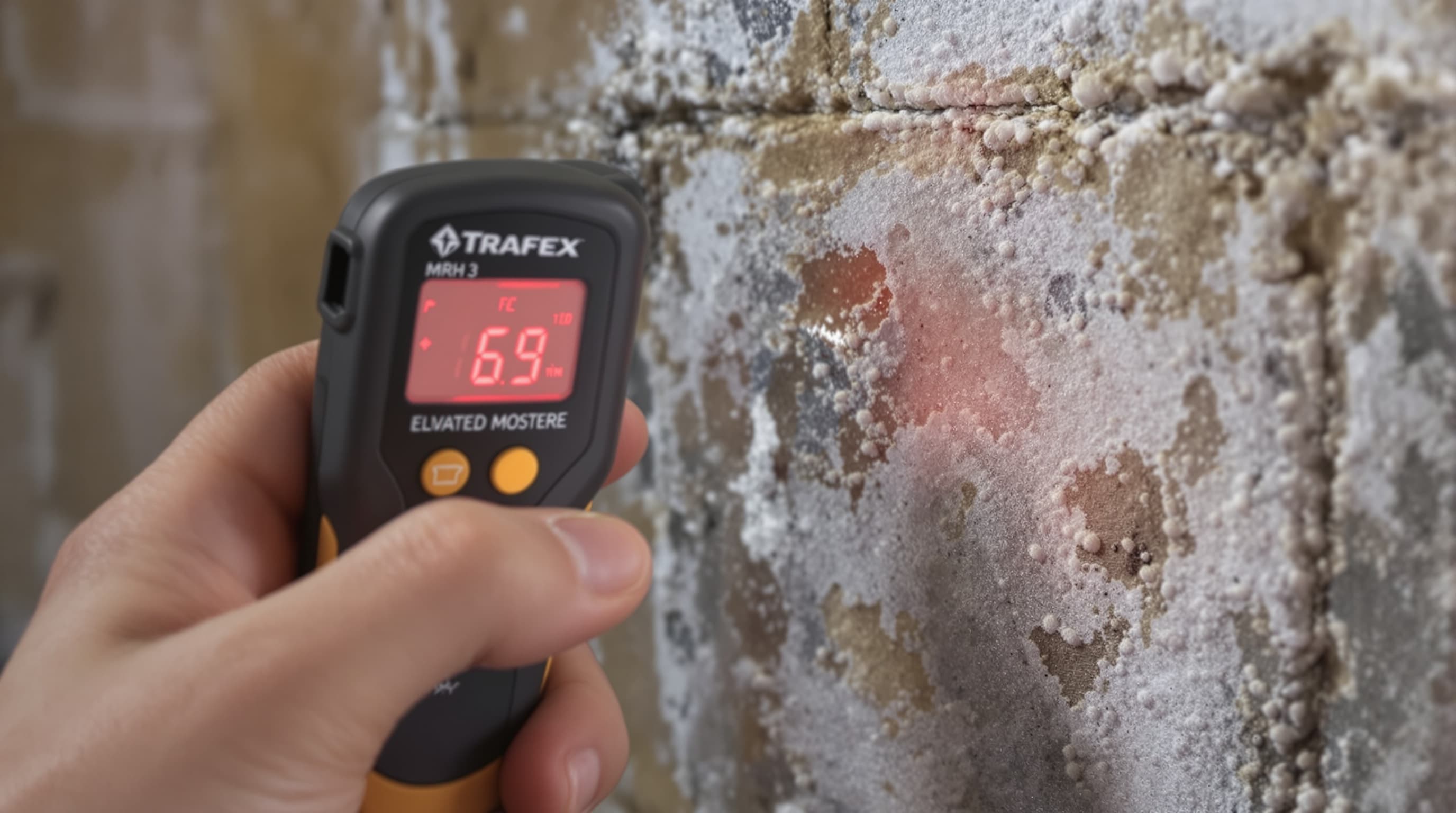
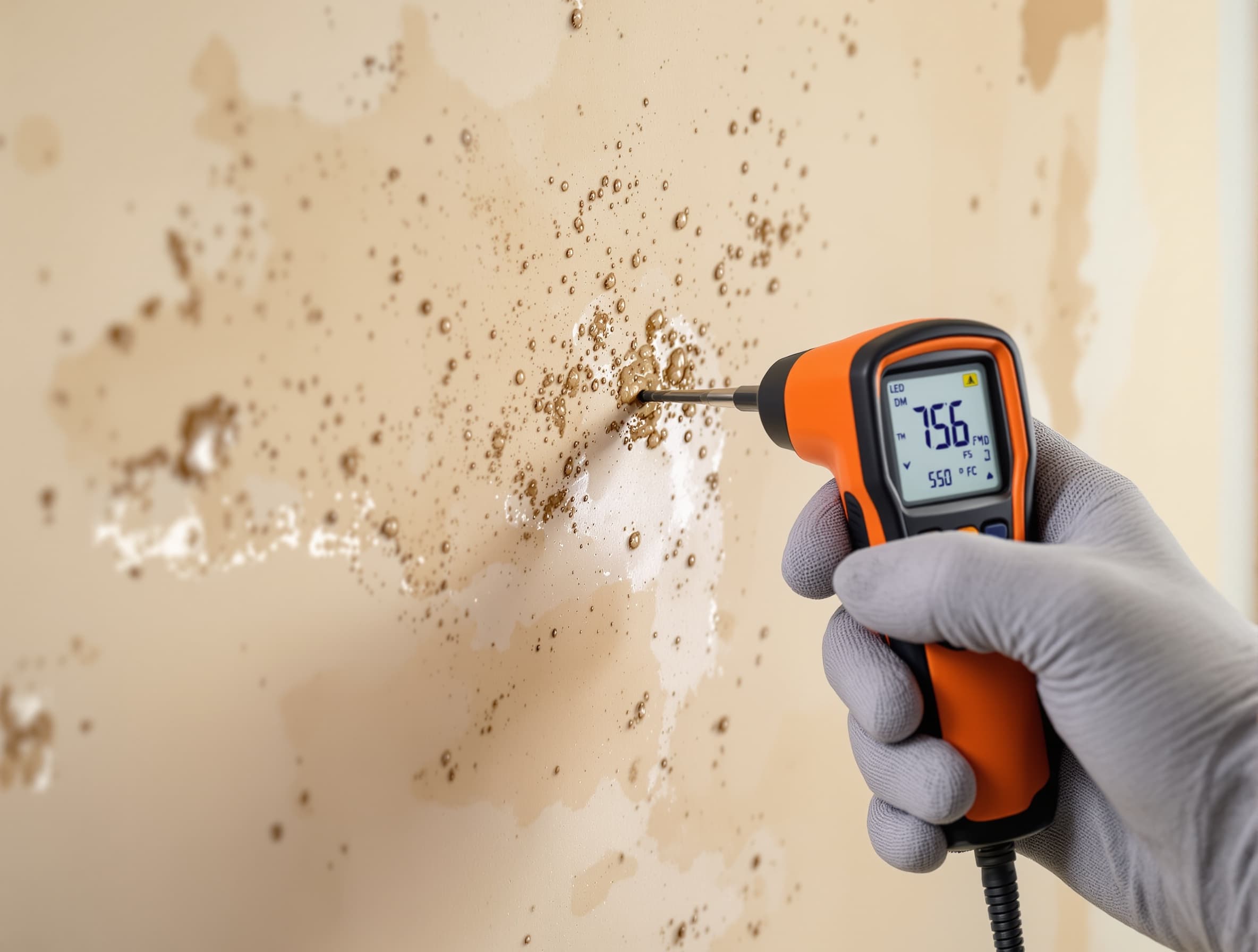
A mold inspection on Long Island is governed by New York State Article 32, which requires a licensed Mold Assessor (MA license, issued by the NYLMB) for any commercial inspection or any residential inspection that leads to a remediation project over 10 square feet. Our licensed Mold Assessors hold NYLMB Assessment License MA00534 and follow a consistent inspection protocol: moisture mapping with a professional-grade moisture meter, visual inspection of all suspect areas and high-risk zones (attics, basements, bathroom walls, behind appliances), and — where warranted — AIHA-accredited lab air sampling and surface sampling.
Indoor air quality testing on Long Island is often requested alongside mold inspection, particularly for homeowners with respiratory symptoms, post-flood properties, or homes undergoing pre-sale due diligence. Air sampling uses calibrated pumps to draw a measured volume of air through a spore trap cassette, which is then analyzed at an AIHA-accredited laboratory. Results include spore counts by species, and a comparison to outdoor baseline samples taken the same day. A passing indoor air sample has spore counts at or below outdoor levels — we explain every result in plain language before we close out.
Free when it leads to remediation. Stand-alone inspection: $250–$450 for a standard residential inspection. Lab analysis (air + surface samples): $200–$500 additional depending on sample count.
Same-day or next-day scheduling across Nassau and Suffolk County. Written inspection report within 72 hours. Lab results return in 2–5 business days.
Mineola and the surrounding Nassau County area is one of our highest-volume inspection zones — post-war housing stock (1945–1965) with original bathroom venting and aging basement drainage.
Mold inspectors on Long Island vary widely in licensing, equipment, and independence. New York requires both an Assessment license and a separate Remediation license — the same company cannot legally assess and remediate the same job (dual-license prohibition under Article 32). Our assessment arm (MA00534) and remediation arm (MR00612) are operationally separated as required by law. You receive an objective inspection report regardless of whether remediation is needed.
FAQ
Ready to breathe easier?
Free visual inspection, same-day estimate. Licensed assessor handles the test separately from remediation — NY Article 32 compliant from the first call.
Mon–Sun 7am–8pm · 24/7 emergency line