Mold inspection is not a uniform service. A "mold inspection" from one company might mean a 20-minute walk-through with a flashlight. From another, it means 90 minutes with a calibrated moisture meter, thermal camera, and a written assessment report that satisfies NY Article 32 before remediation can legally begin. The price gap between those two deliverables is significant — and so is the value.
This guide covers what a legitimate mold inspection costs on Long Island in 2026, what you should receive for that fee, when testing is a separate cost, and what the NY licensing law requires before any mold job over 10 square feet gets touched.
Mold inspection cost on Long Island in 2026
A standard residential mold inspection in Nassau or Suffolk County runs $300 to $600 for a single-family home, depending on square footage, suspected problem areas, and the depth of reporting required.
- 1,000–1,500 sq ft home (Cape, ranch): $300–$425
- 1,500–2,500 sq ft home (colonial, expanded Cape): $400–$550
- 2,500+ sq ft or multi-story with multiple problem areas: $500–$700+
- Attic-only or crawl space inspection (targeted scope): $200–$350
- Full inspection + air sampling (lab send-out): $500–$900 total
These are fully completed costs including on-site time, moisture mapping, written report, and photo documentation. They do not include lab testing fees, which are a separate line item when air samples or surface swabs are collected and sent to an AIHA-accredited laboratory.
What a legitimate inspection includes
A NYLMB-licensed mold assessor inspection should include all of the following. If a contractor cannot describe these deliverables before you hire them, look elsewhere.
- Visual inspection of all accessible areas, with attention to known high-risk zones (basements, attics, bathrooms, areas around HVAC equipment)
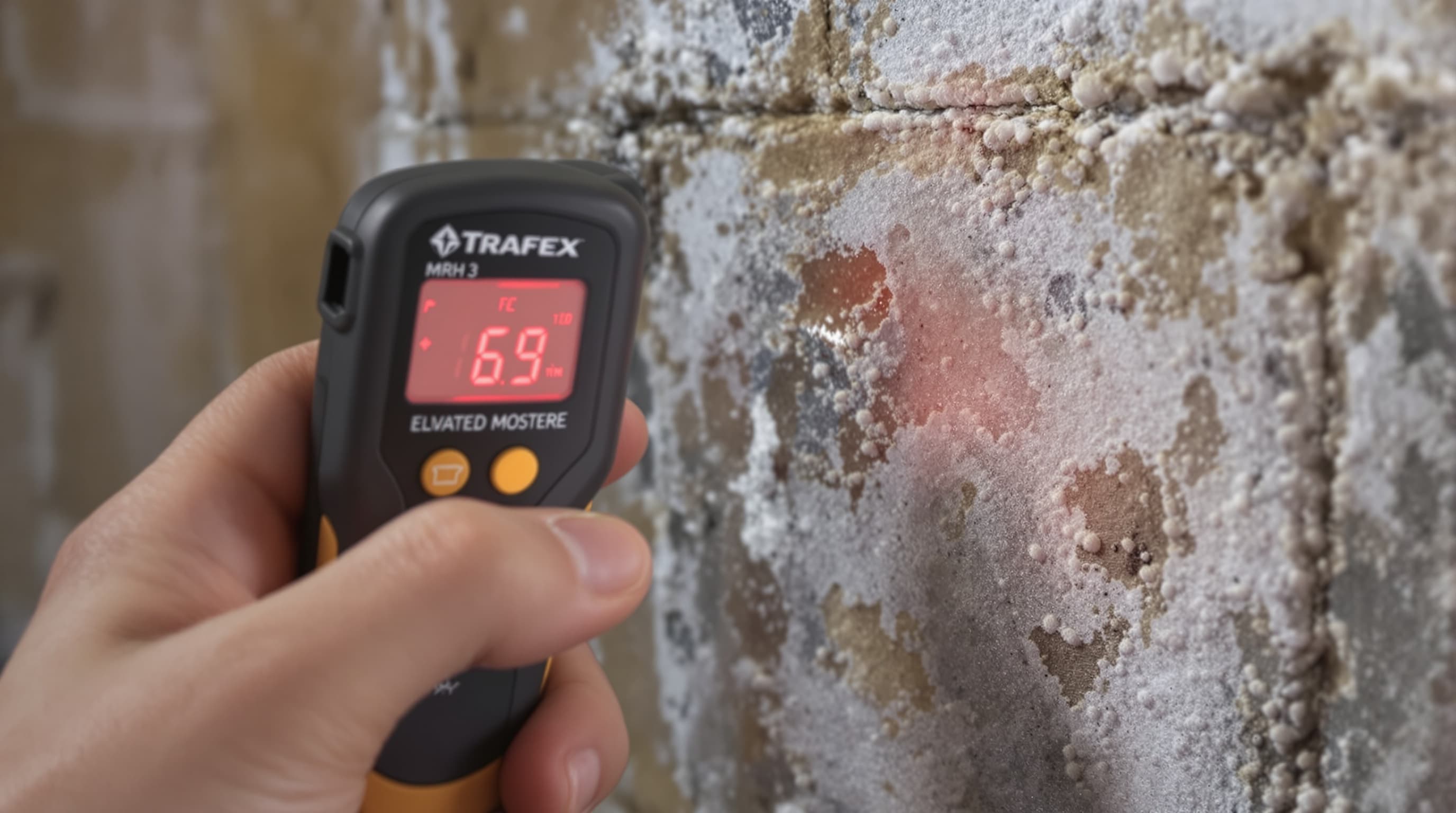
- Moisture meter readings on all suspect wall, ceiling, and floor surfaces — documented with photos
- Thermal imaging (infrared camera) to detect hidden moisture behind wall assemblies and in ceiling cavities
- Identification and approximate measurement of any visible mold growth
- Written assessment report with photos, moisture readings, affected square footage, and cause hypothesis
- Remediation scope recommendations if mold is found (required by NY Article 32 before any job over 10 sq ft)
When mold testing is a separate cost
Inspection and testing are different services that are often sold together but are not the same thing. An inspection is a physical assessment and written report. Testing involves laboratory analysis of collected samples.
- Air sampling (spore trap cassettes): $75–$150 per sample, lab fees typically $25–$50 per cassette. A standard test protocol collects 2–4 indoor samples plus one outdoor baseline. Total lab cost: $300–$700 on top of the inspection fee.
- Surface swab or tape lift: $50–$100 per sample. Used to identify species when visible growth is present and species identification matters for the remediation protocol or insurance claim.
- ERMI (Environmental Relative Moldiness Index) dust test: $300–$500 for collection and lab. A single settled-dust sample analyzed for 36 mold species. Useful for post-remediation verification and as a baseline before a home purchase.
You do not always need testing. If there is visible mold and an obvious moisture source, a licensed assessor can write a remediation scope based on visual evidence alone. Testing adds cost and time — its main value is when the source is hidden, when the scope is disputed for insurance purposes, or when species identification affects the remediation approach.
NY Article 32 and how it affects inspection cost on Long Island
NY Labor Law Article 32, effective 2015, requires that any mold project affecting more than 10 square feet be preceded by a written assessment from a licensed Mold Assessor (MA license) — and that the assessor and the remediator be different entities. This law directly affects what a mold inspection costs and what it delivers on Long Island.
The practical effect: a $150 "inspection" from a remediation company that also wants to do the cleanup is not a compliant Article 32 assessment. Under the law, the same licensee cannot perform both the assessment and the remediation on the same property. An assessor who writes the scope has no financial interest in inflating the scope — that is the point of the law.
- Any mold job over 10 sq ft requires a written MA-licensed assessment before work begins
- The assessor (MA license) and the remediator (MR license) must be different entities on the same job
- The assessor writes a remediation work plan; the remediator follows it
- Post-remediation, clearance verification (PRV) is performed by the assessor or an independent party
When you are getting quotes for mold inspection on Long Island, ask for the inspector's NYLMB license number and verify that they hold an MA license (assessor), not just an MR license (remediator). The NY Department of Labor's online portal lets you verify license status in under two minutes.
Mold inspection for real estate transactions on Long Island
Pre-purchase mold inspections are common on Long Island, particularly for homes built before 1980, homes with finished basements, and homes on the South Shore within flood-risk zones. Sellers also order inspections before listing to get ahead of buyer concerns.
For real estate transactions, the inspection report typically needs to be complete within 3–5 business days of the signed contract. If the inspector needs to collect lab samples, the lab turnaround is an additional 3–5 days for standard service or 24–48 hours for rush. Budget $450–$800 total for a real-estate-grade inspection with air sampling and expedited report delivery.
If the inspection reveals mold requiring remediation, the written scope from the Article 32 assessment becomes the basis for the remediation contract — and the post-remediation clearance test (PRV) is what allows the transaction to proceed with documentation that the issue was resolved.
Nassau and Suffolk County specifics
Long Island homes have a few structural characteristics that come up repeatedly in mold inspections:
- Cape Cod knee walls — The triangular attic bays flanking dormers in Cape Cods are common mold sites. They are often under-insulated, poorly ventilated, and exposed to condensation. Many inspectors charge a small add-on fee for knee wall access because it requires crawling through a low-clearance space.
- Concrete block basements — Common in Nassau County post-war construction, concrete block basements are porous and wick moisture. Wall surface mold on block is often the result of exterior drainage issues, not an interior humidity problem. The cause matters for the remediation approach.
- HVAC distribution in unconditioned attics — When ductwork runs through hot, humid attics (common in older Long Island homes), condensation on the duct exterior creates a persistent moisture source. An inspection that includes thermal imaging of the attic ceiling plane catches these in summer.
- South Shore flood exposure — Homes in FEMA flood zones on the South Shore carry higher baseline moisture risk after storm surge events. Any home that experienced Sandy flooding in 2012 and was not professionally dried within 48 hours is a higher-risk inspection candidate.
Frequently Asked Questions
- How much does a mold inspection cost on Long Island?
- A licensed mold inspection in Nassau or Suffolk County runs $300–$600 for a typical single-family home. This covers on-site time, moisture mapping, thermal imaging, and a written assessment report. Air sampling and lab testing are a separate cost — typically $300–$700 additional depending on the number of samples.
- Do I need mold testing or just a mold inspection?
- If there is visible mold and a clear moisture source, a licensed assessor can usually write a remediation scope based on visual evidence — no lab testing required. Testing adds value when the source is hidden, when you need species identification for insurance documentation, or when you want quantified air quality data for a real estate transaction or post-remediation clearance.
- Is a mold inspection required before remediation on Long Island?
- Yes, for any job over 10 square feet. NY Labor Law Article 32 requires a written assessment from a licensed Mold Assessor (MA license) before remediation begins. The assessor and the remediation contractor must be different entities — the same company cannot both inspect and perform the cleanup on the same property.
- How long does a mold inspection take?
- On-site time runs 60–120 minutes for a typical Long Island single-family home. The written report is usually delivered within 1–3 business days. For real estate transactions with expedited deadlines, 24–48 hour report turnaround is typically available for an additional fee.
- Can I get a free mold inspection on Long Island?
- Some remediation companies offer free "inspections," but under NY Article 32 those are not compliant assessments — they are sales visits. A licensed MA assessor's written report, which is what NY law requires before remediation begins on any job over 10 sq ft, is a paid service. The fee is $300–$600 and protects you from inflated scoping, since the assessor has no financial stake in the remediation contract.
Need help with your specific situation?
We do free on-site assessments across Long Island.
NYLMB-licensed, IICRC-certified, insurance-experienced. Call (631) 625-8807 or request an estimate online.